
Amazon Trip from Quito: Tena, Archidona & Misahuallí
How to visit Ecuador's Amazon from Quito: Tena, Archidona and Misahuallí. What to do, what to eat, what to pack and how to plan a 4-day trip.
Culture | Nov 24, 2026
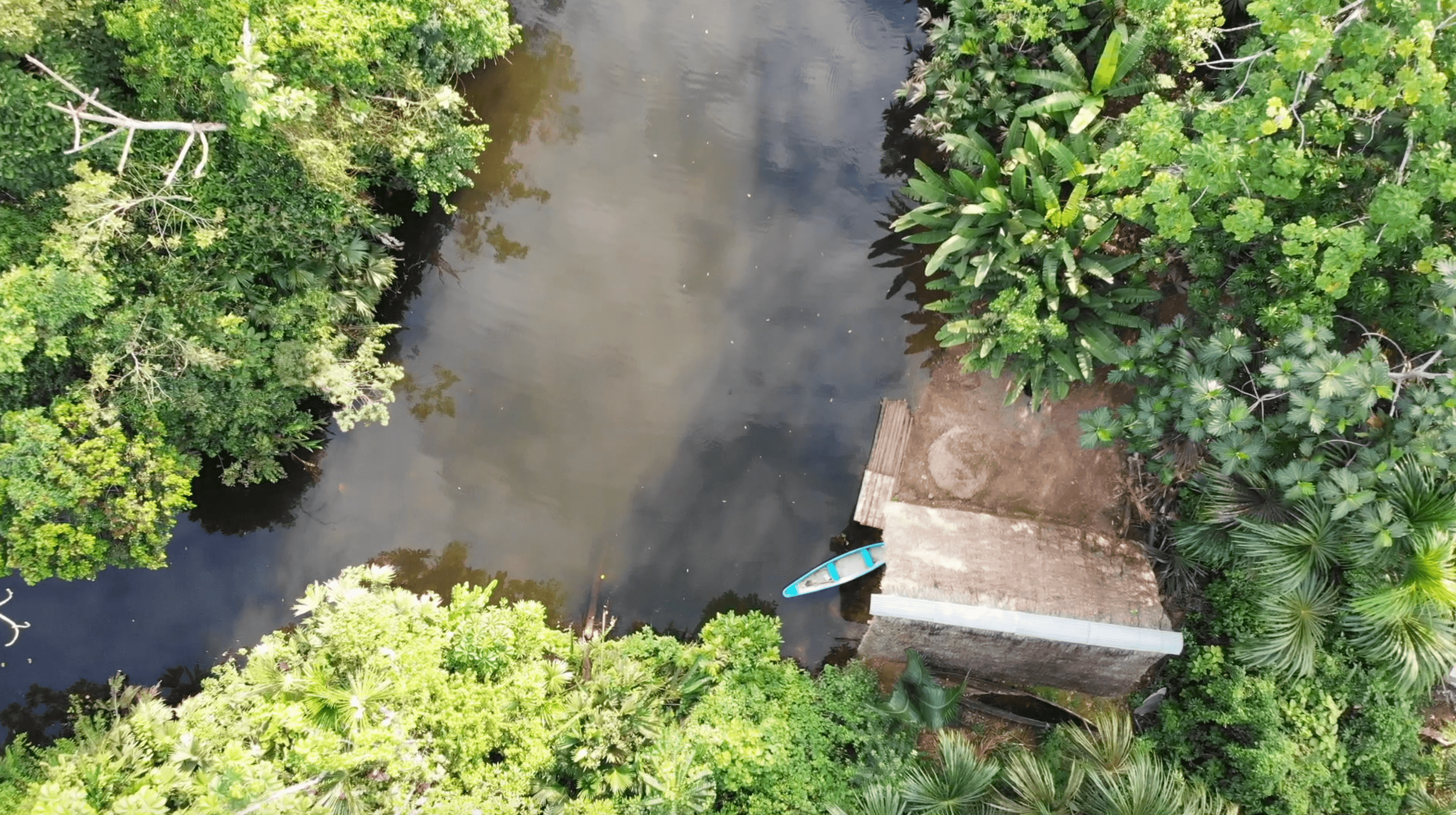
Most travelers think the Ecuadorian Amazon is a long flight away. It isn't. From Quito, a scenic drive over the Andes takes you down through cloud forest and waterfalls to the rainforest of Napo province, where rivers, caves, Kichwa communities and some of the best cacao in the world are waiting. Tena, Archidona and Misahuallí, three small towns close to each other, are the easiest gateway to the Amazon from the capital.
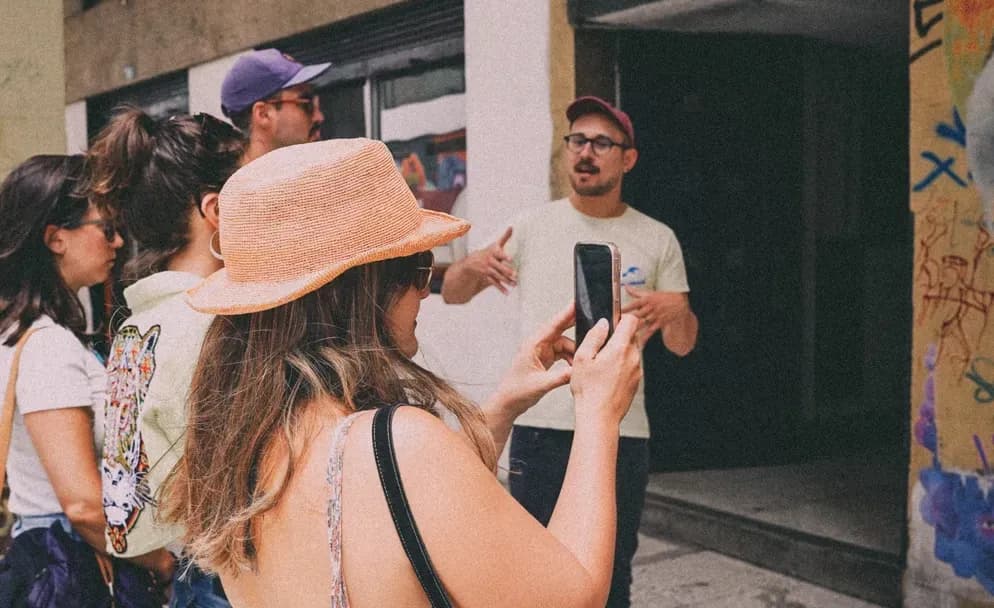
This is our guide to planning the trip. And if you'd rather not plan it yourself, Bondabu can take you: we run a 4-day trip through this part of the Amazon with a local team. Contact us to join.
Key takeaways
- Tena, Archidona and Misahuallí are the most accessible Amazon destinations from Quito, all in Napo province.
- The drive from Quito takes about four to five hours, crossing the Andes and the Guacamayos mountain range.
- Top experiences: the Jumandy caves, the capuchin monkeys of Misahuallí, river trips on the Napo, and visits to Kichwa communities and cacao farms.
- Three nights is the sweet spot to see the region without rushing.
- Bring rain gear, insect repellent and clothes you don't mind getting wet.
- Want to go with locals? Bondabu runs a 4-day, 3-night trip through Tena, Archidona and Misahuallí. Contact us to plan yours.
How to get from Quito to the Amazon
The road from Quito climbs past Papallacta and its hot springs, then drops down the eastern slopes of the Andes through Baeza and the Guacamayos range, with waterfalls and cloud forest along the way, before reaching Archidona and Tena. Allow about four to five hours, plus stops. The road is paved, but it's narrow in places and rain is frequent, so daylight driving with an experienced driver is best. Buses also run from Quito's Quitumbe terminal.
Tena: the gateway to the Amazon
Tena, the capital of Napo province, is a lively town on the Tena and Pano rivers and the main base for exploring the region. It's known across Ecuador for whitewater rafting and kayaking, and its riverside promenade is a nice place to end the day.
Archidona: caves and Kichwa culture
Founded in 1560, Archidona is one of the oldest towns in the Ecuadorian Amazon and a social and trading center for the Kichwa communities around it.
The Jumandy caves
About 4 kilometers north of Archidona, the Jumandy caves are a network of underground tunnels and chambers that run for kilometers. Guided visits take you through with headlamps, and you'll get wet, sometimes up to your waist. It's one of the most memorable experiences in the region.
Misahuallí: monkeys and the Napo River
About 30 minutes from Tena, Puerto Misahuallí sits where the Misahuallí River meets the mighty Napo. It's famous for the capuchin monkeys that roam its main square and riverside beach. They're entertaining and curious, and they'll happily steal your sunglasses, hat or snacks if you're not careful.
From Misahuallí, motorized canoes head down the Napo to rainforest lodges, communities and wildlife areas.
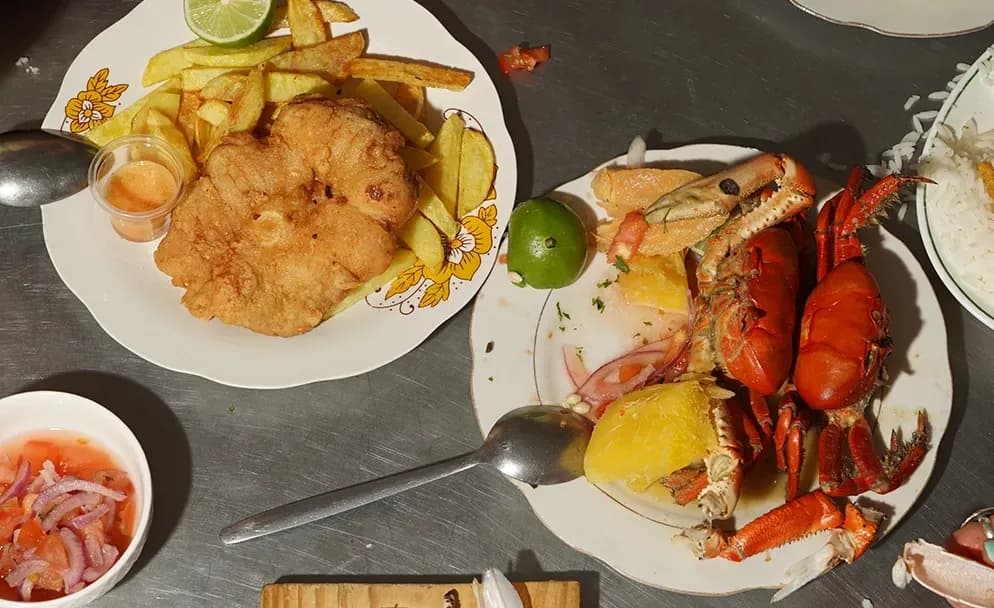
What to eat in the Amazon
Amazonian food is one of the least known and most exciting parts of Ecuadorian cuisine.
- Maito: fish, often tilapia or river fish, wrapped in bijao leaves and cooked over the fire.
- Chontacuro: grilled palm weevil larvae, a protein-rich local delicacy for the adventurous.
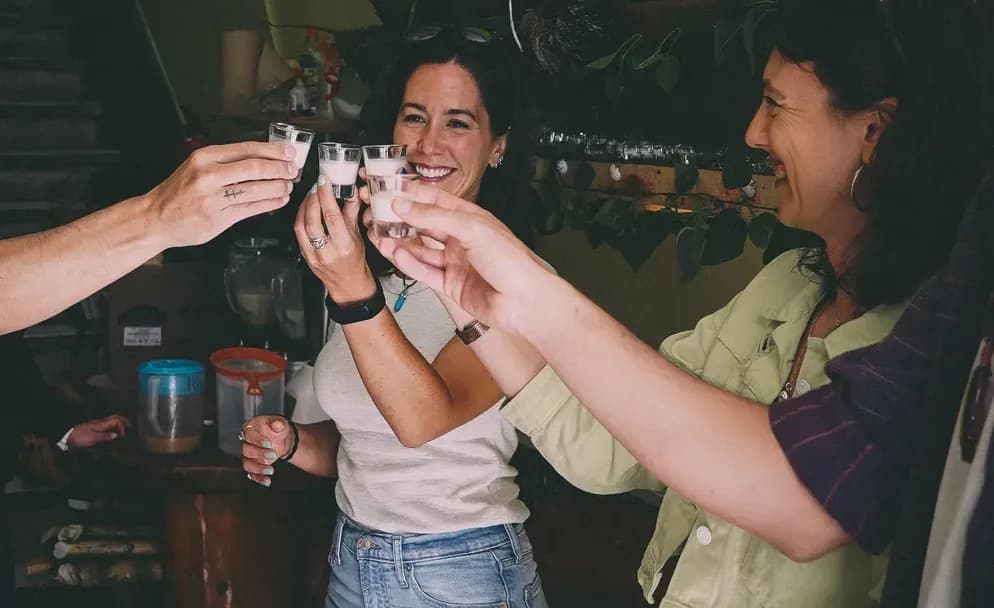
- Guayusa: a caffeinated tea made from the leaves of a native holly. In Kichwa communities, families traditionally gather before dawn to drink it and share their dreams.
- Cacao: the Amazon is home to fine cacao, and visiting a small farm to see how it goes from pod to chocolate is a highlight. Learn more in our guide to Ecuadorian cacao.
- Chicha de yuca: a traditional fermented cassava drink, offered as a sign of welcome.
How many days do you need?
A day trip from Quito is possible, but it's mostly driving. With three nights, you can explore the caves of Archidona, spend time on the Napo River, visit Misahuallí and a Kichwa community, and taste the region's food without rushing.
Bondabu tip: schedule your outdoor activities for the morning. Afternoon rain is common in the rainforest.
Travel with Bondabu: our 4-day, 3-night Amazon trip covers the Jumandy caves, the Napo River, Misahuallí, a Kichwa community and a cacao farm, with transport from Quito and a local guide. Contact us for dates and prices.
What to pack
- Rain jacket and quick-dry clothes: it rains often, all year round.
- Insect repellent and sunscreen.
- Shoes you don't mind getting wet, especially for the caves.
- A warm layer for the drive over the Andes.
- Cash: small towns and communities often don't take cards.
Explore the Amazon with Bondabu
Bondabu runs a 4-day, 3-night Amazon program through Tena, Archidona and Misahuallí, designed for travelers who want to experience the rainforest, its people and its food with a local team. It can be adapted for families, friends and private groups. Contact us to plan your trip.
Before or after the Amazon, discover Quito's food scene on our Quito food tour.
About the author
Ernesto is a chef based in Quito and the founder of Bondabu, where he designs food and culture experiences in Quito and Mexico City.
Frequently asked questions
How far is the Amazon from Quito?
Tena, the main gateway to the Ecuadorian Amazon, is about four to five hours by road from Quito.
What is the best Amazon town to visit from Quito?
Tena is the main base. Archidona is known for the Jumandy caves, and Misahuallí for its monkeys and river trips on the Napo.
Can you visit the Amazon on a day trip from Quito?
It's possible, but most of the day is spent driving. We recommend at least three nights.
When is the best time to visit the Ecuadorian Amazon?
The region can be visited all year round. It rains frequently in every season, so plan outdoor activities for the morning and pack rain gear.
Is the Ecuadorian Amazon safe for tourists?
Yes, especially when traveling with local guides. Follow your guide's instructions on rivers and in caves, and use insect repellent.