
Mezcal vs Tequila: The Difference, Explained by a Chef
Mezcal vs tequila: how they're made, how they taste, how to drink them, and where to try mezcal in Mexico City, from classic cantinas to La Botica.
Food & Drinks | Oct 13, 2026
Every visitor to Mexico City eventually faces the same question at the bar: mezcal or tequila? They both come from agave, they both come in small glasses, and they both have a reputation for long nights. But they're not the same drink, and once you understand the difference, you'll never order either one the same way again.
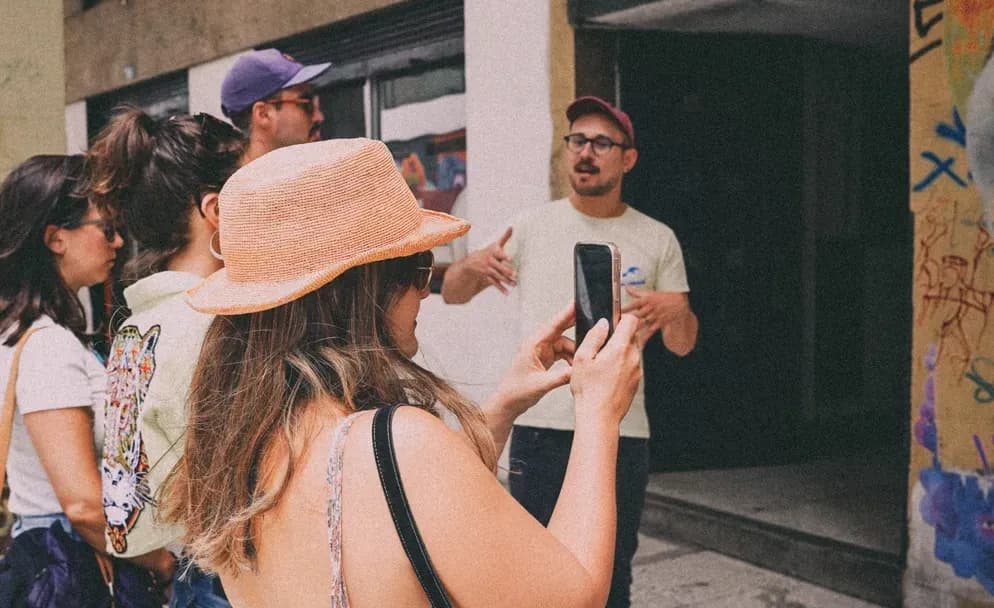
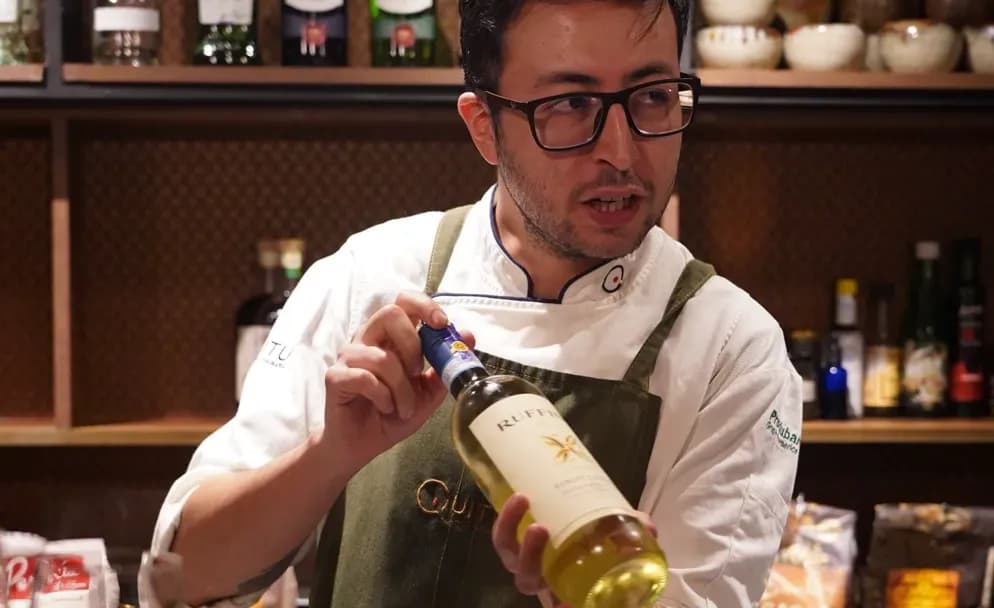
This guide was written by Ernesto, a chef and the founder of Bondabu, who runs food and culture experiences in Mexico City and Quito, and who has spent more than a few evenings comparing the two.
Key takeaways
- All tequila comes from agave, and so does all mezcal, but tequila can only be made from one species: blue Weber agave.
- Mezcal can be made from many different agave species, which is why it tastes so varied.
- Mezcal's famous smoky flavor comes from roasting the agave in underground pits. Tequila's agave is usually steamed in ovens.
- Both should be sipped, not shot.
- For a first mezcal, Ernesto recommends Montelobos. To drink it, go to a classic cantina, La Botica or La Chicha.
What's the difference between mezcal and tequila?
The agave
Tequila is made only from blue Weber agave. Mezcal can be made from dozens of agave species, from the common espadín to rare wild varieties that take decades to mature. That variety is what makes mezcal such an adventure: two mezcals can taste nothing alike.
The place
Tequila has a protected designation of origin centered on the state of Jalisco, with a few areas in neighboring states. Mezcal is produced in several states across Mexico, with Oaxaca as its most famous home.
The cooking
This is where the flavor comes from. To make traditional mezcal, the hearts of the agave, called piñas, are roasted for days in underground pits lined with wood and hot stones, which gives mezcal its smoky character. For tequila, the piñas are usually steamed in above-ground ovens, which gives a cleaner, sweeter agave flavor.
The family tree
Historically, tequila was considered a type of mezcal: a mezcal from the region around the town of Tequila. Today they're legally separate categories, but they share the same roots.
How do they taste?
- Tequila: cleaner and sweeter, with cooked agave, citrus and pepper. Aged tequilas (reposado and añejo) pick up vanilla and caramel from the barrel.
- Mezcal: more complex and earthy. The smoke is there, but a good mezcal isn't just smoky: depending on the agave, it can be floral, fruity, herbal, mineral or even a little funky.
Myths to forget
"Mezcal always tastes like a campfire"
Not true. Smoke is part of the story, but a well-made mezcal is balanced, and many are surprisingly gentle.
"The worm means it's good mezcal"
The worm in the bottle is mostly a marketing gimmick. Serious mezcal bottles don't have one.
"Tequila is for shots with salt and lime"
Salt and lime were a way to hide the taste of rough, cheap tequila. A good tequila deserves to be sipped and enjoyed on its own.
How to drink mezcal like a local
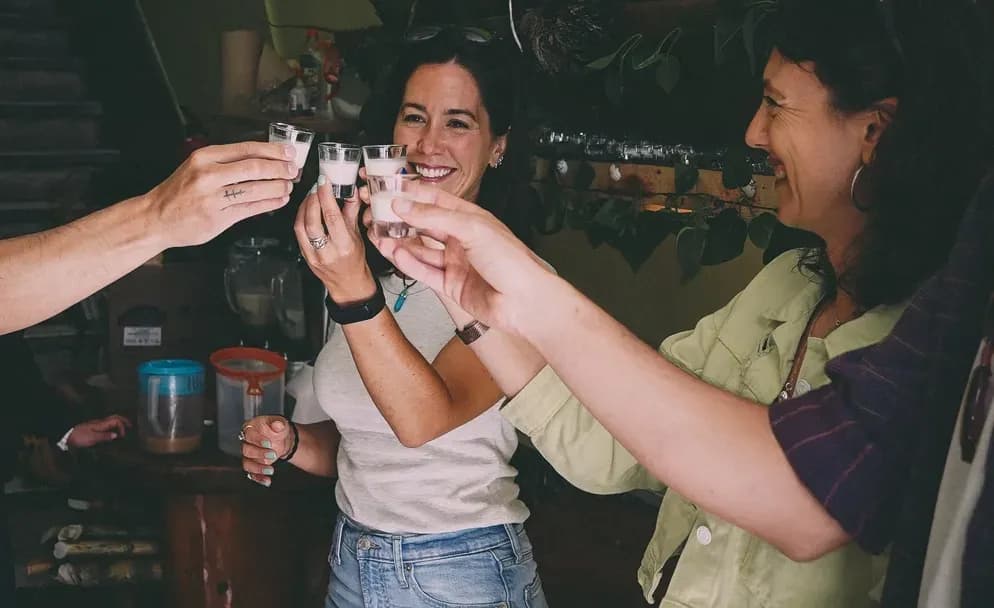
- Sip it slowly. Locals say you should kiss your mezcal, not shoot it.
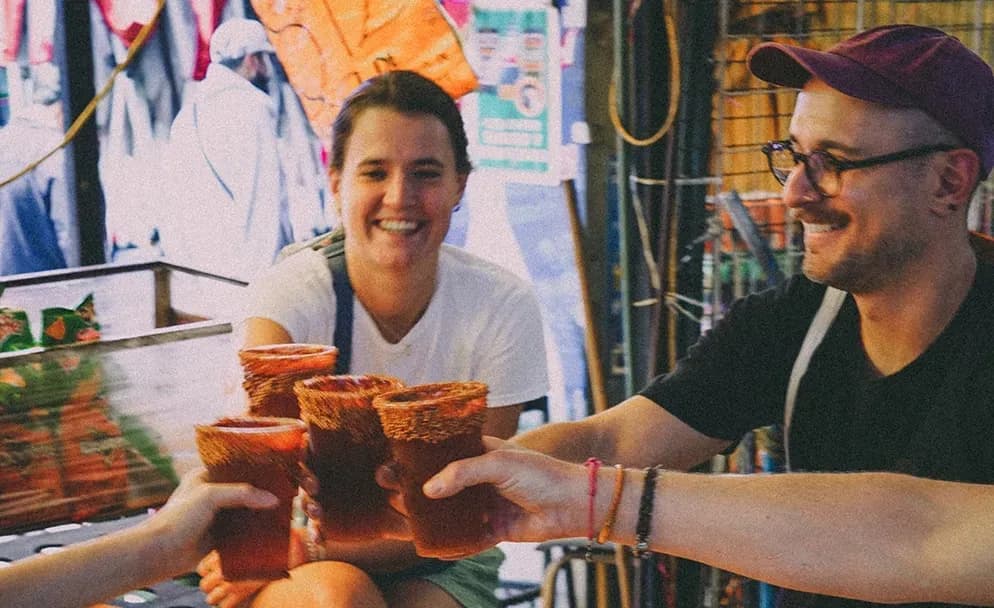
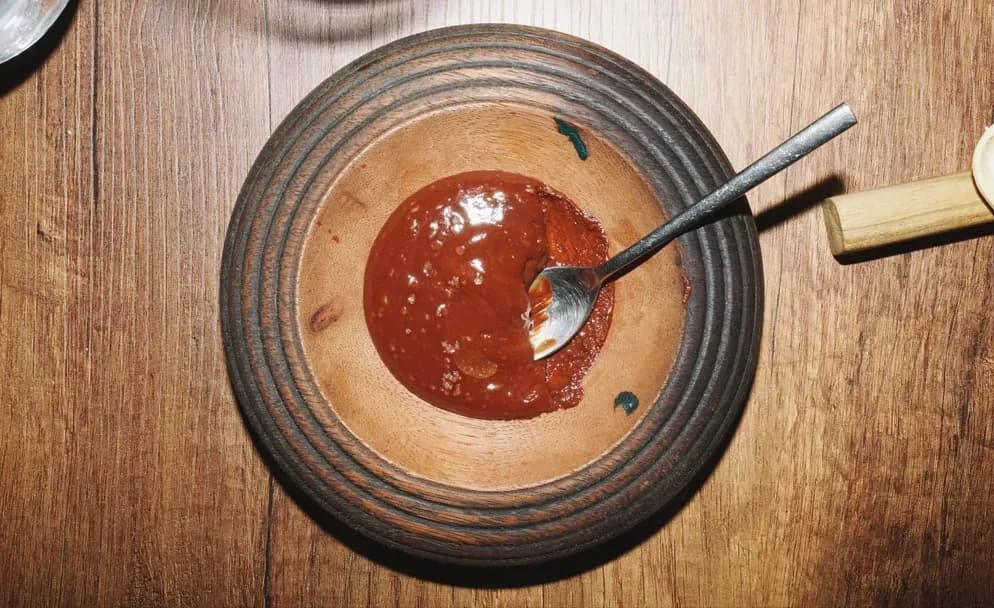
- Expect orange slices and sal de gusano. Mezcal is often served with orange and a seasoned salt made with chile and toasted agave worm. Take a sip, then a bite.
- Start with a joven espadín. It's the most common style and a great introduction before moving on to wild agaves.
- Ask questions. A good mezcalería will tell you the agave, the producer and the region. That conversation is half the fun.
Ernesto's pick for a first mezcal: Montelobos
If you've never had mezcal, Ernesto's go-to recommendation is Montelobos. It's an espadín mezcal with a balanced profile: the smoke is present but never overpowering, so you taste the agave first. It's an easy, honest place to start, and you'll find it in many bars around Mexico City.
Where to drink mezcal in Mexico City
Classic cantinas
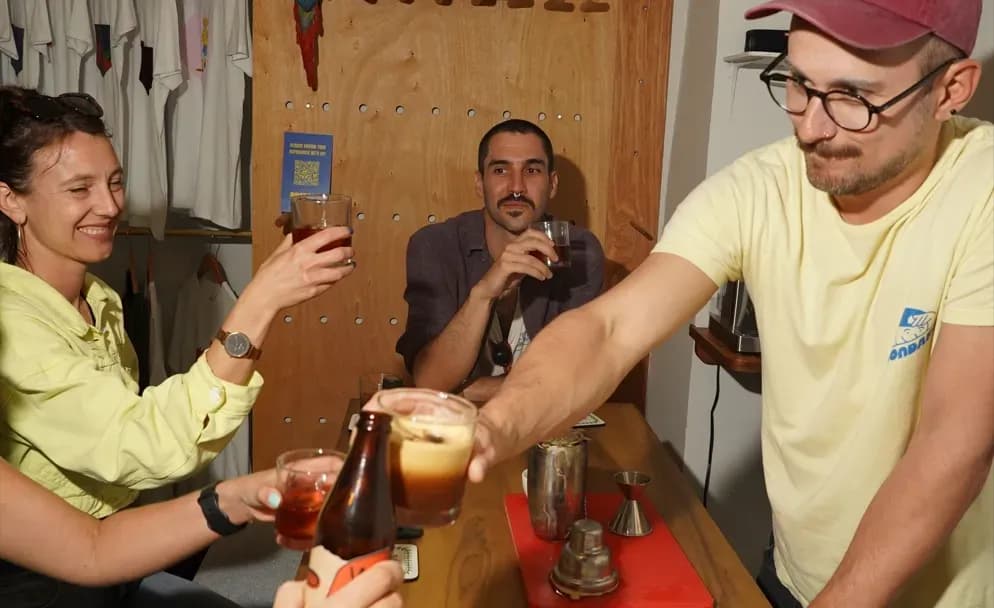
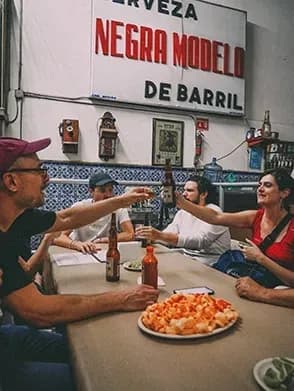
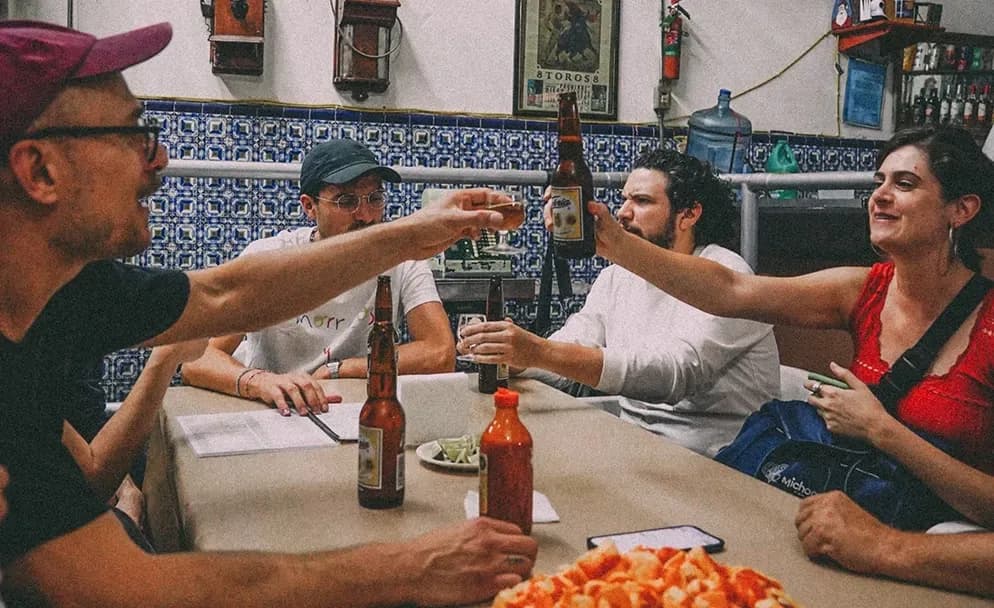
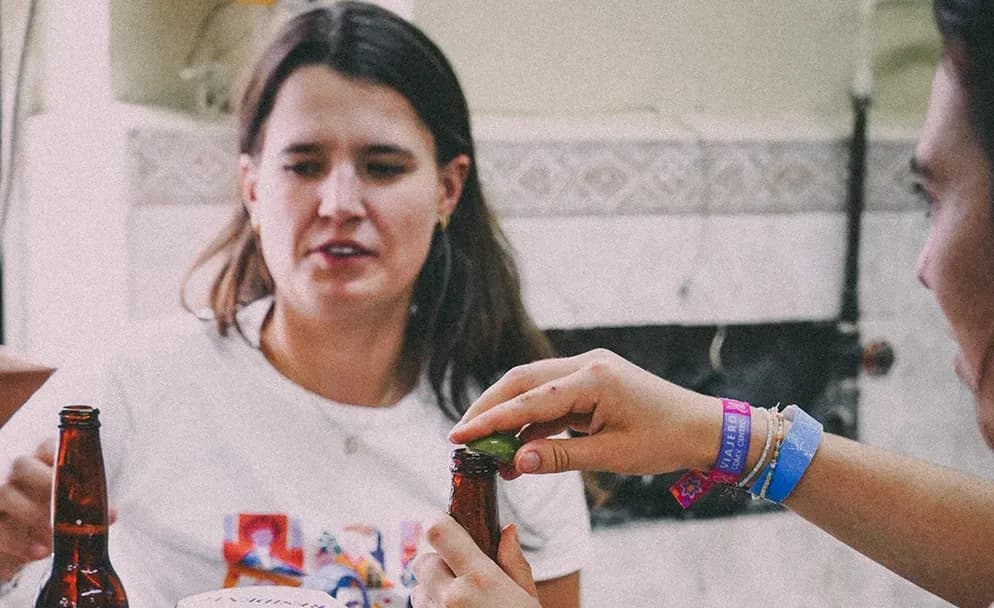
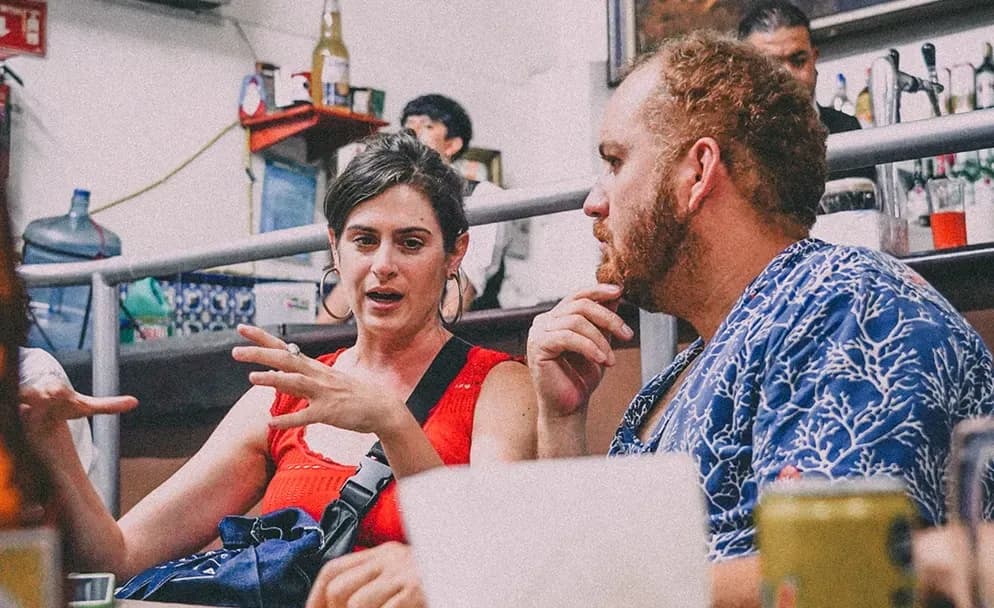
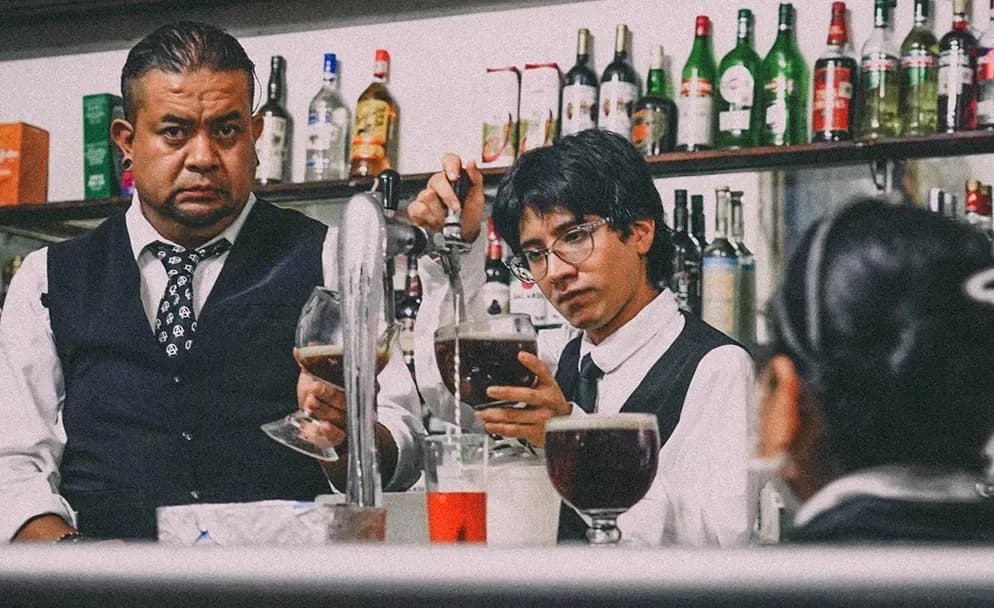
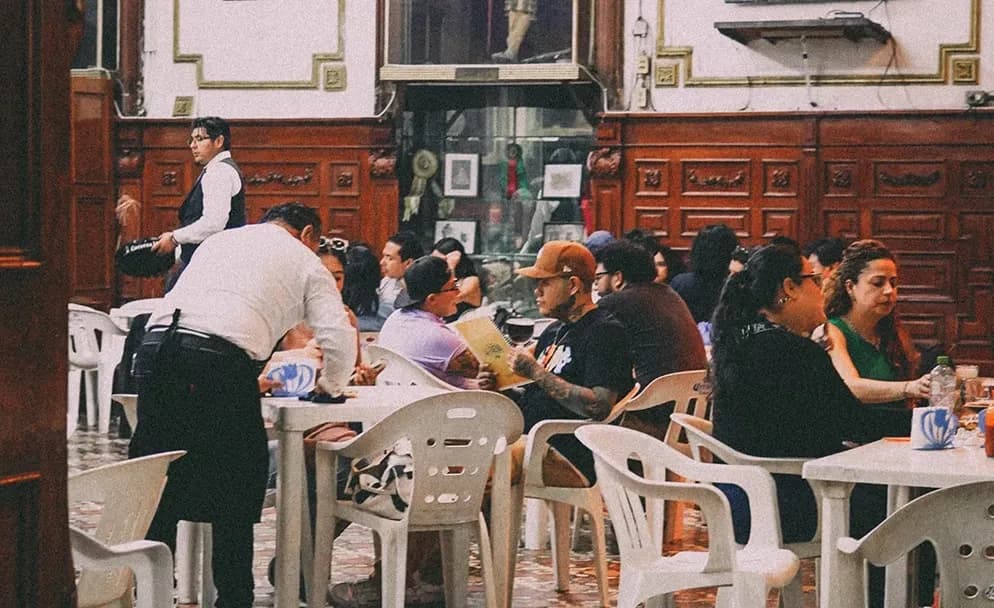
For Ernesto, there's no better place to drink mezcal than a classic cantina: old wooden bars, waiters in vests, botanas that keep arriving with every round, and regulars who have been coming for decades. It's mezcal in its natural habitat. Read our guide to Mexico City's cantinas to find the right one.
La Botica
La Botica opened in La Condesa in 2005 and is often credited with helping bring mezcal back into the spotlight in Mexico City. Today it has several locations around the city, each with a long list of mezcals. It's a relaxed, no-frills place to explore different agaves.
La Chicha
A low-key restaurant and bar in Roma Norte with a short, carefully chosen list of artisanal mezcals and Mexican craft beers. It's a great spot for an unhurried afternoon of mezcal, beer and good food.
For more places to drink after dark, read our guide to hidden bars in Mexico City. And if you want to try the oldest agave drink of all, meet pulque, the beverage of the gods.
Taste Mexico's spirits with a local
The best way to understand mezcal and tequila is to taste them side by side with someone who can tell you the story behind each glass. Our Mexican Spirit experience takes you through the world of agave spirits in Mexico City, in a small group with a local guide.
About the author
Ernesto is a chef and the founder of Bondabu, where he designs food and culture experiences in Mexico City and Quito.
Frequently asked questions
Is mezcal stronger than tequila?
Not necessarily. Both are usually bottled at around 35% to 55% alcohol. Many artisanal mezcals are bottled at higher strength, so check the label and sip slowly.
Is tequila a type of mezcal?
Historically, yes: tequila was considered a regional mezcal. Today they're separate categories with their own rules, but both are agave spirits.
Why does mezcal taste smoky?
Because the agave hearts are traditionally roasted in underground pits with wood and hot stones before being crushed, fermented and distilled.
Should you drink mezcal with orange?
It's the traditional way in many bars: a sip of mezcal, then a bite of orange with sal de gusano. But a good mezcal is also delicious on its own.
What is a good mezcal for beginners?
A joven espadín is the classic starting point. Ernesto recommends Montelobos for its balance.