
Suadero: The Taco That Defines Mexico City
Suadero is the taco that Mexico City invented and the rest of the world is still catching up to. Slow-cooked beef brisket, crisped in its own fat, served on a hand-pressed tortilla. Here's everything you need to know.
Food & Drinks | Mar 13, 2025
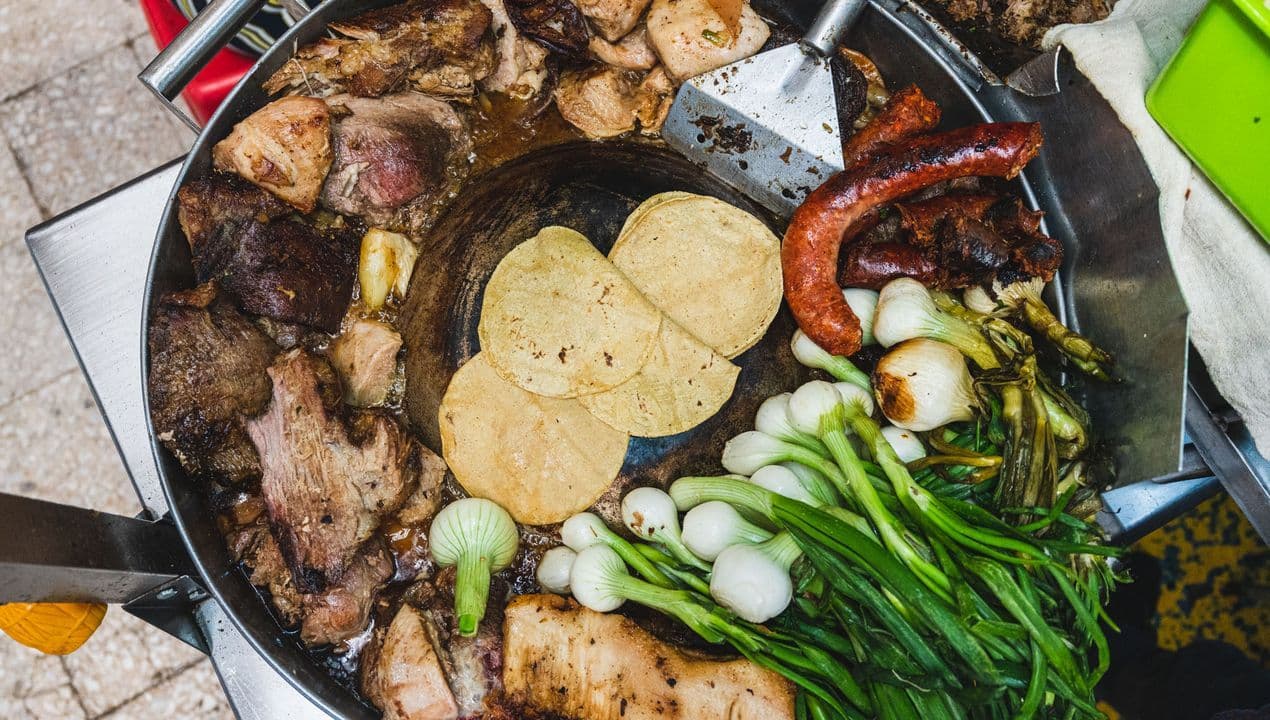
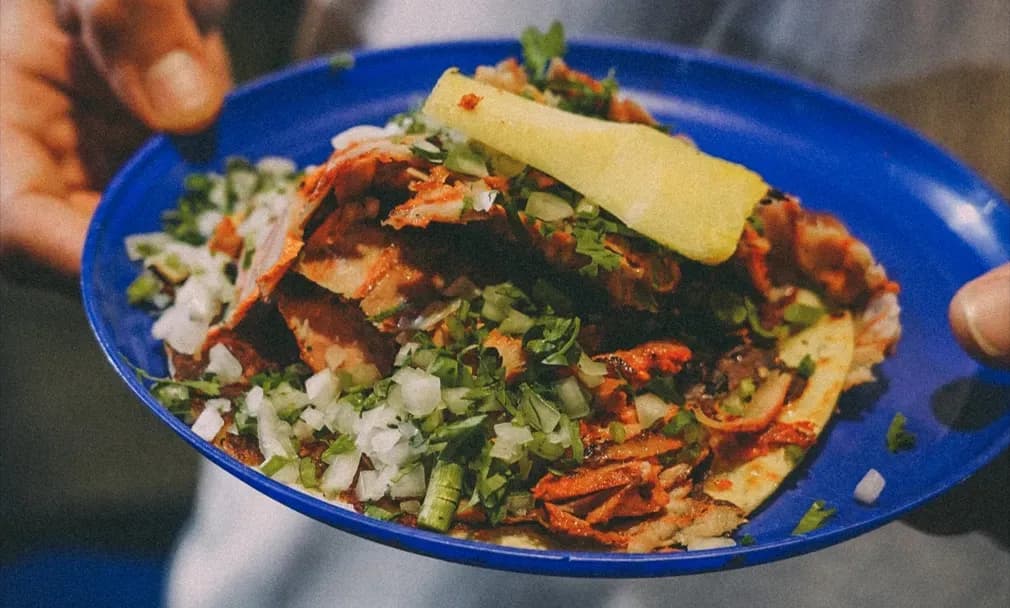
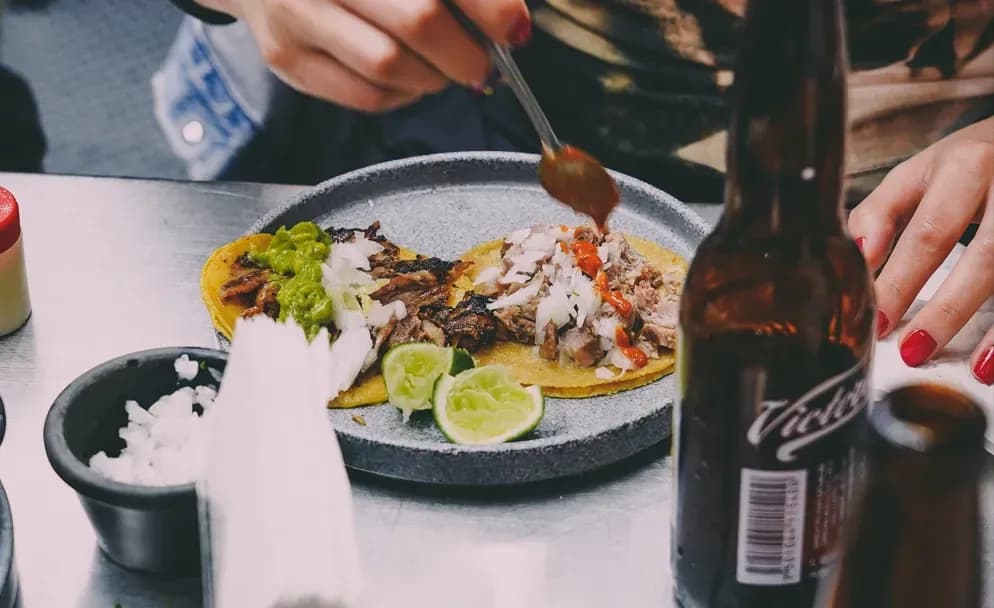
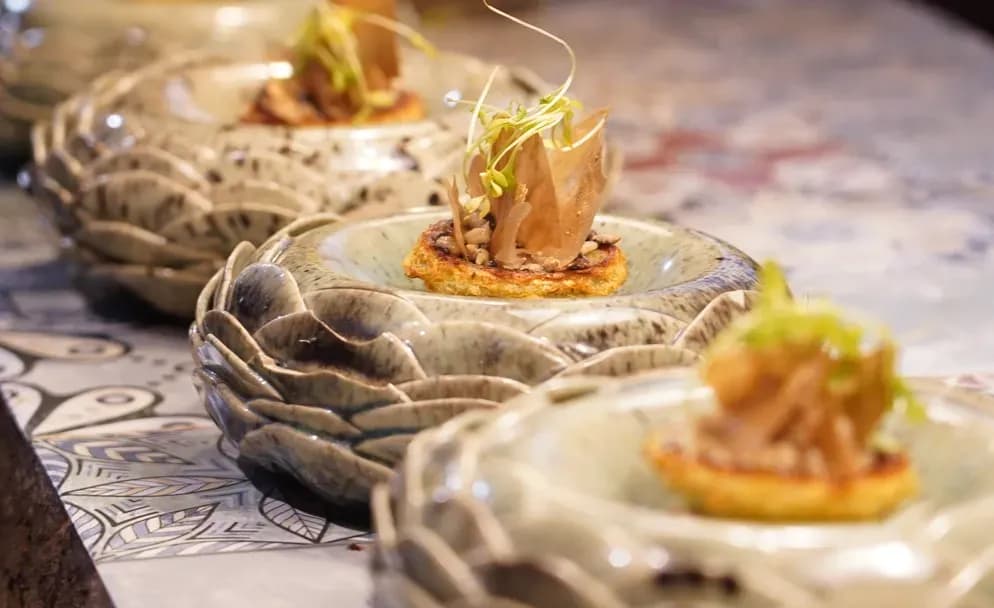
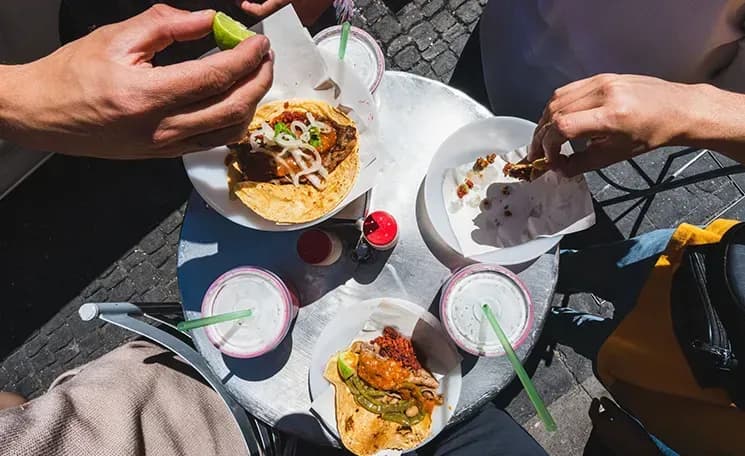
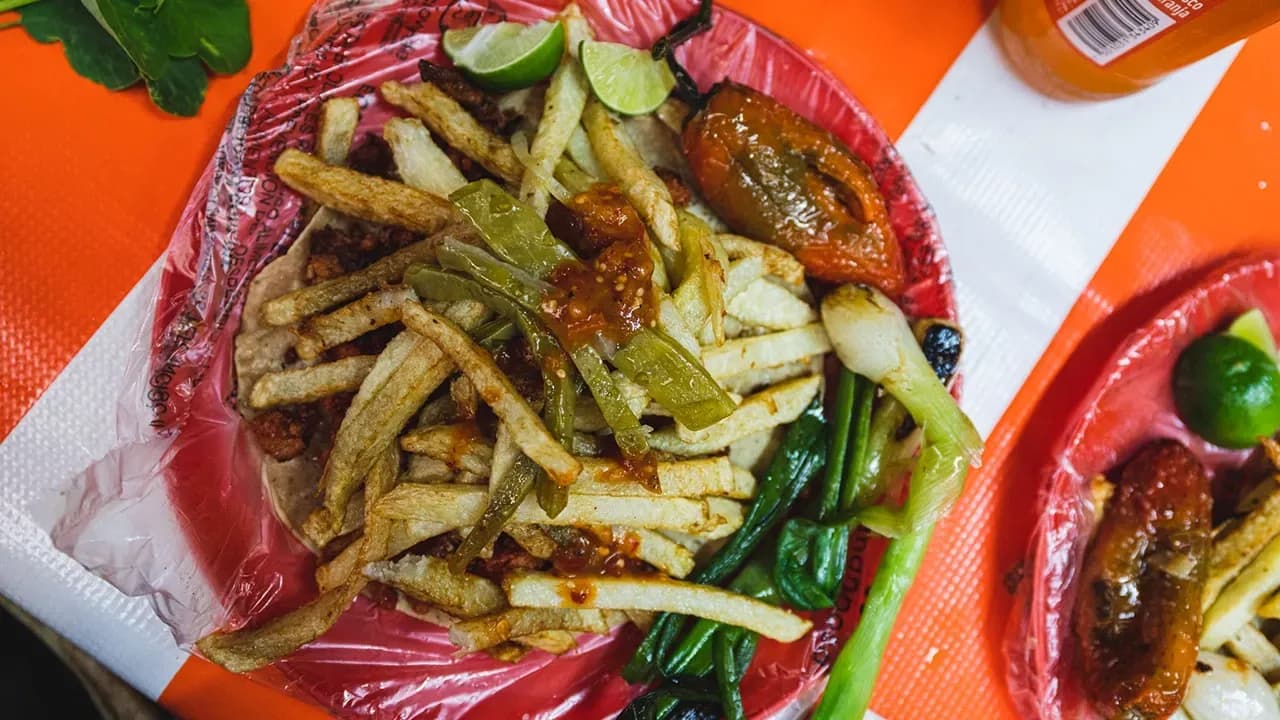
Suadero is a cut of beef — the thin layer between the skin and the muscle, taken from the flank or belly — slow-cooked for hours in lard or its own fat until it collapses, then crisped on the comal just before serving. The result is a taco with a soft, fatty interior and slightly crunchy edges, placed on a hand-pressed corn tortilla with nothing but cilantro, onion, and salsa. It is one of the most specific things Mexico City has ever produced.
You won't find suadero like this anywhere else. Other cities make their own versions, but the CDMX style — cooked low and slow in a large vat of fat, then finished on the flat top — is a technique that belongs to the city's taquero tradition. For the full picture of what Mexico City's street food scene looks like, see our Ultimate Guide to Street Food in Mexico City.
Quick Guide: Suadero in Mexico City
- What it is: Slow-cooked beef from the flank, crisped on the comal
- Texture: Soft and fatty inside, slightly crispy on the outside
- Tortilla: Always corn, always hand-pressed or fresh
- Toppings: Cilantro, white onion, salsa verde or roja
- When to eat it: Night tacos, late night, early morning after a long night
- Where to find it: Taquería de barrio, street carts, mercados — not tourist restaurants
What Suadero Actually Is
The word suadero refers to a specific anatomical cut — the intermusculature layer along the belly and flank of the cow. It's not a premium cut by any conventional standard. It has connective tissue, fat, and collagen throughout. That's exactly why it works.
When cooked low and slow — traditionally submerged in a vat of lard alongside other cuts like longaniza and tripa — the collagen breaks down completely. The result is meat that is simultaneously tender and rich, with a depth of flavor that comes from hours of slow fat-poaching rather than from any particular seasoning.
The final step is the comal. A handful of suadero is scooped out of the vat, placed on the flat hot surface, and allowed to crisp at the edges while the center stays soft. That contrast — yielding interior, textured exterior — is what makes it distinct from other braised meat tacos.
How It's Different From Other CDMX Tacos
Mexico City has a deep taco vocabulary. Tacos al pastor come from a vertical spit, influenced by Lebanese immigrants who arrived in the mid-20th century. Carnitas come from Michoacán and are made primarily with pork. Birria, though now omnipresent in the city, has its roots in Jalisco.
Suadero is native. It emerged from the taquería de barrio culture of the city itself — the small corner operations that have been feeding workers, night owls, and market vendors for generations. For a broader look at what makes CDMX tacos distinct from one another, see The Best Street Tacos in Mexico City.
The flavor is also different. Where al pastor is bright and acidic from achiote and pineapple, suadero is quiet and deeply savory. It doesn't announce itself. It rewards attention.
The Taquería Experience
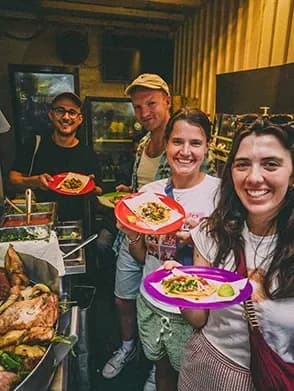
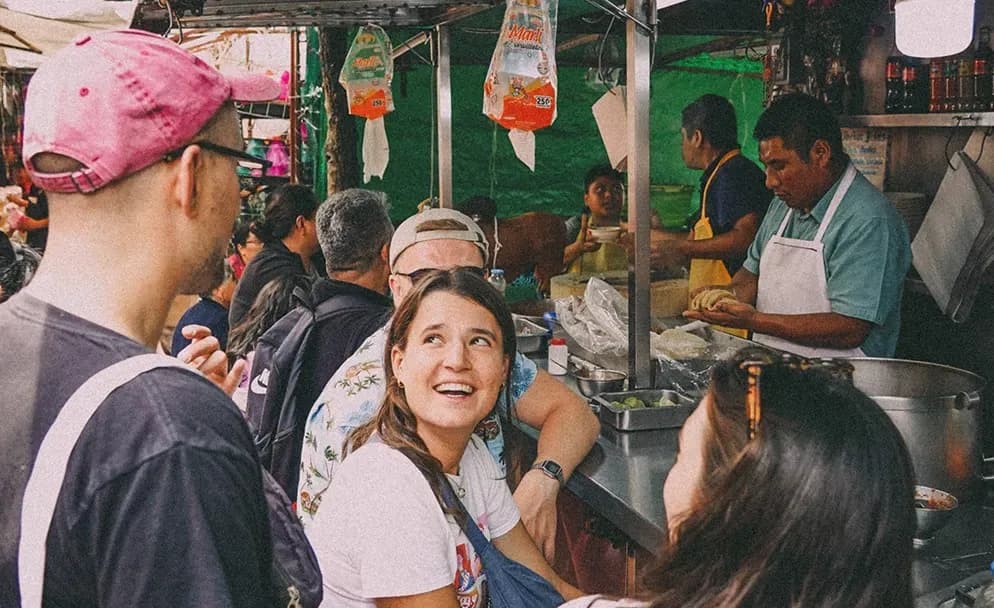
Ordering suadero follows the same logic as most street tacos in Mexico City. You approach the counter, tell the taquero how many you want, and watch the operation. The vat of fat sits at the center — you can see the different cuts submerged in it. The comal is beside it.
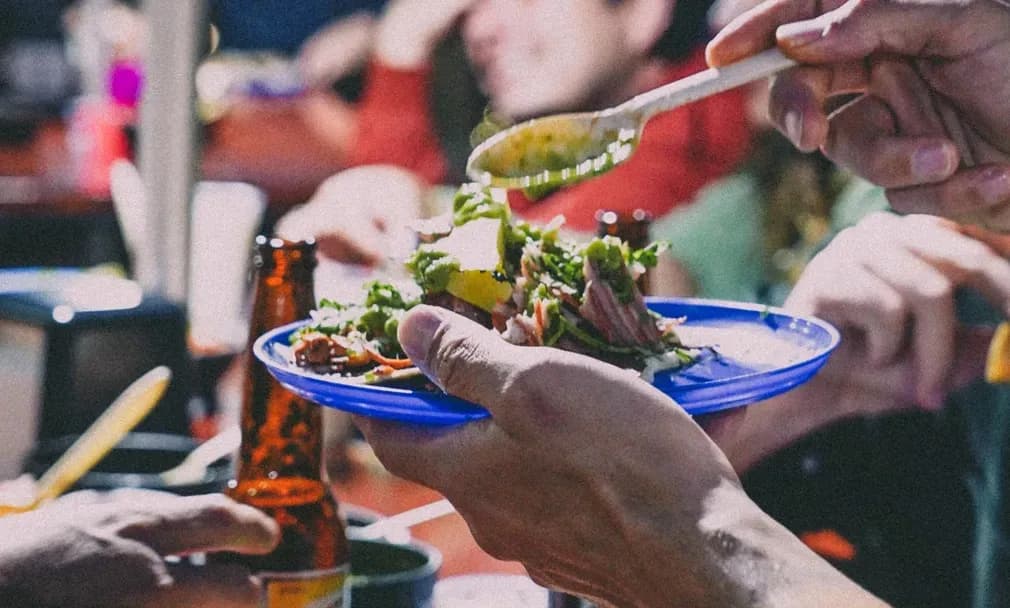
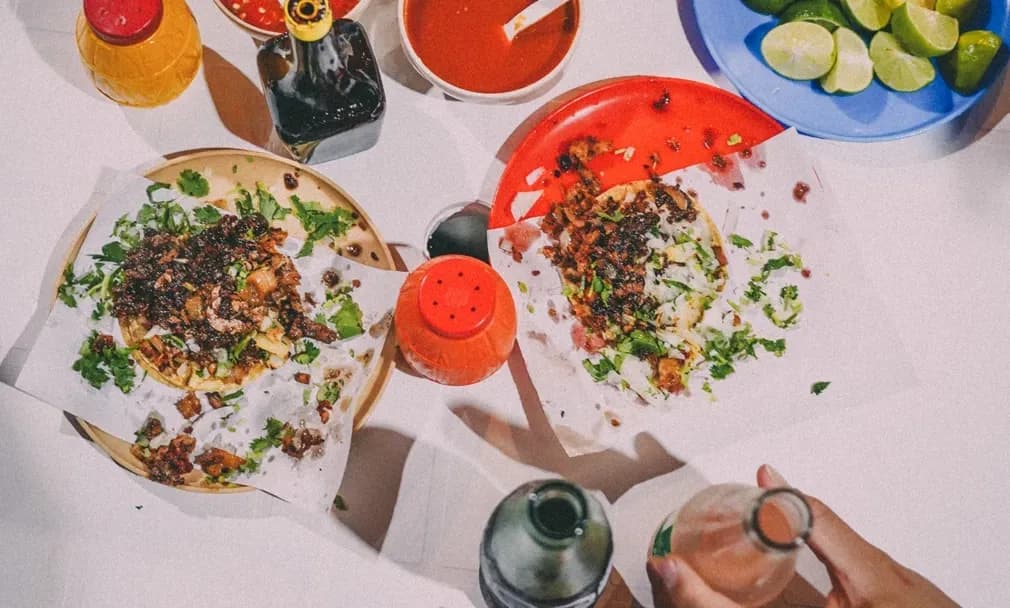
The taquero works fast. Meat onto the comal, tortilla warming on the side, meat chopped, tortilla loaded, delivered. The process takes under a minute. Salsa is self-serve from clay pots on the counter — verde and roja, almost always both.
The etiquette is simple: eat standing, or sitting on a plastic stool if there are any. Order two or three at a time. Don't dress it with anything more than what's offered. The flavor is already complete.
Where to Find Real Suadero in Mexico City
The best suadero is not in the most photographed spots in the city. It's in the neighborhoods where the taquería has been operating in the same location for twenty or thirty years, serving the same clientele, with no particular interest in being discovered.
A few places worth seeking out:
Tacos El Güero, near La Merced — a classic barrio operation that has been running the same rotation of cuts for decades. Suadero is always on the vat.
Night taco carts in Tepito and La Merced — the late-night economy of both neighborhoods runs on street tacos. Suadero appears consistently. Arrive after 10pm.
Mercado de Medellín — a more accessible entry point for visitors, with several taco counters inside that take the suadero seriously.
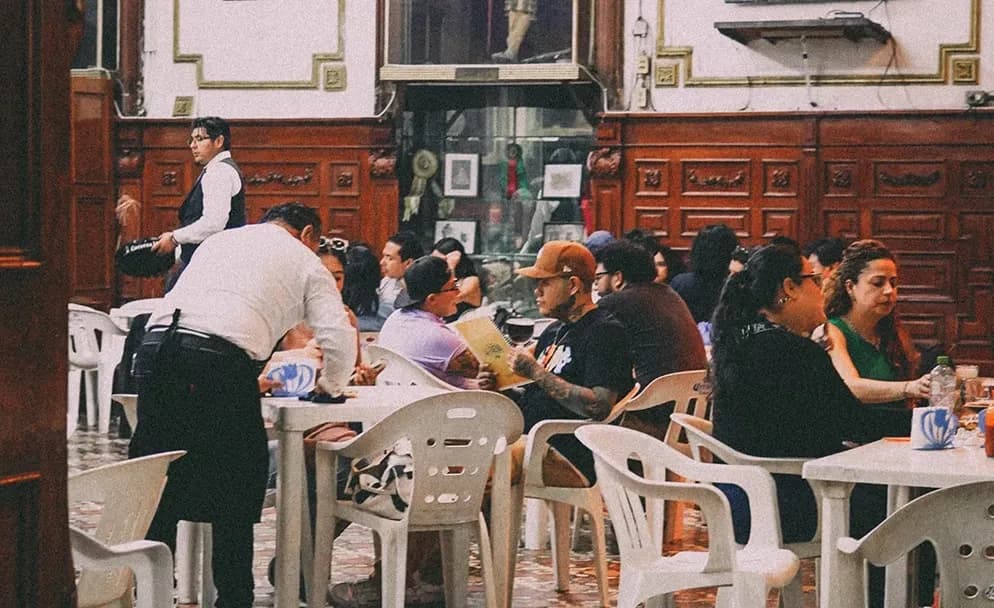
The general rule: if the taquería has good lighting, a printed menu in English, and tables with tablecloths, it's probably not the place for suadero. Follow the crowds of locals eating standing up.
Suadero and the Logic of Mexico City Street Food
Understanding suadero is useful beyond the taco itself. It illustrates something about how Mexico City's food culture works.
The city didn't develop its street food traditions to appeal to visitors. It developed them to feed a massive, dense urban population across all hours of the day and night. The economics required that cheap cuts be made delicious. The logistics required that food be fast, portable, and consistent. The culture required that flavor not be sacrificed for efficiency.
Suadero solved all three problems at once. Low-cost cut, long slow cook, fast final preparation, consistent result. It's an efficient system that also happens to produce something worth traveling for.
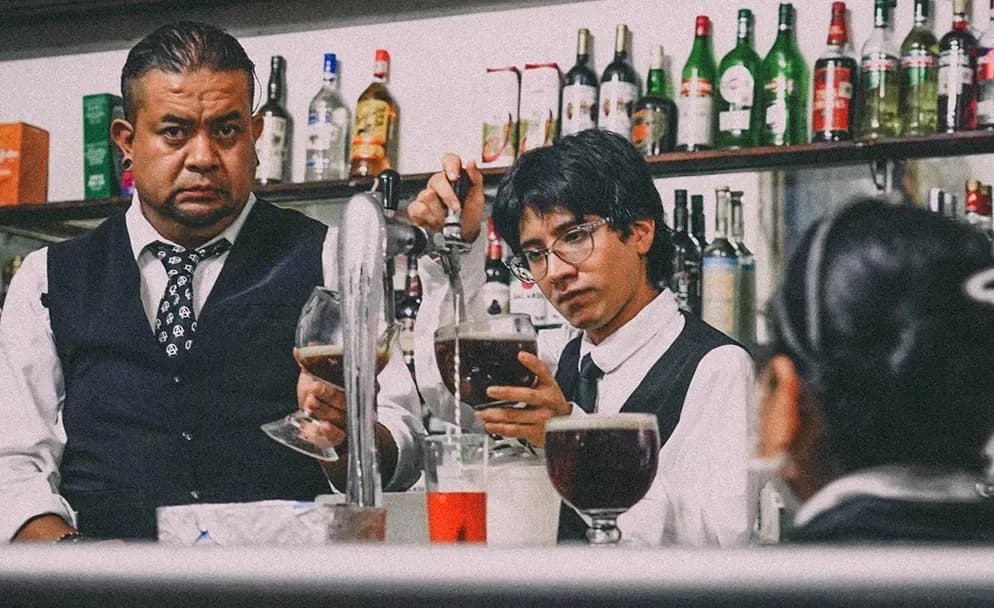
This logic extends beyond tacos. The cantina culture of Mexico City operates on the same principle: durable, affordable, deeply local, and built to function rather than to impress.
This is worth holding onto when you're eating it. The taco in your hand is the product of a food economy that has been running without interruption for a very long time.
Frequently Asked Questions
What is suadero in English?
Suadero is a cut of beef from the belly or flank area of the cow — roughly equivalent to beef brisket or belly, though the exact cut varies by butcher. In Mexico City, the term refers not just to the cut but to the specific preparation: slow-cooked in fat, crisped on the comal, served in a corn tortilla.
Is suadero pork or beef?
Suadero is always beef. It is sometimes confused with carnitas, which is pork. The two are prepared using similar techniques — long, slow cooking in fat — but suadero uses beef from the flank, while carnitas uses pork.
What does suadero taste like?
Suadero has a deep, savory, fatty flavor with a soft texture and slightly crisped edges. It is less acidic than al pastor and less rich than carnitas. The flavor is subtle and cumulative — it rewards eating more than one.
Where is suadero from?
Suadero is native to Mexico City's taquería culture. Unlike tacos al pastor (influenced by Lebanese immigration) or carnitas (from Michoacán), suadero emerged from the city's own barrio taco tradition and is most closely associated with CDMX.
Can you find suadero outside Mexico City?
Suadero exists in other Mexican cities, but the preparation style specific to CDMX — fat-poached and comal-crisped — is hardest to replicate outside the capital. In the United States, some taquerías in cities with large Mexican communities serve a version of it, but the exact texture and flavor profile of the original is difficult to reproduce outside its context.
Is suadero a popular street food?
Yes. Suadero is one of the most consumed tacos in Mexico City's street food ecosystem, particularly late at night and in working-class neighborhoods. It tends to be less visible to tourists than al pastor, which is why it remains one of the more authentic things you can eat in the city.
One More Thing
There's a version of traveling through Mexico City where you eat at the places that have been written about, photographed, and listed in every guide. Those places are often good. Some are excellent.
And then there's the version where you find a taco cart operating under a single fluorescent light at midnight, with a vat of slowly rendering fat and a taquero who has been doing exactly this for thirty years, and you eat two suadero tacos standing on a sidewalk in a neighborhood you wouldn't have come to otherwise.
Both versions are valid. Only one of them is the city.
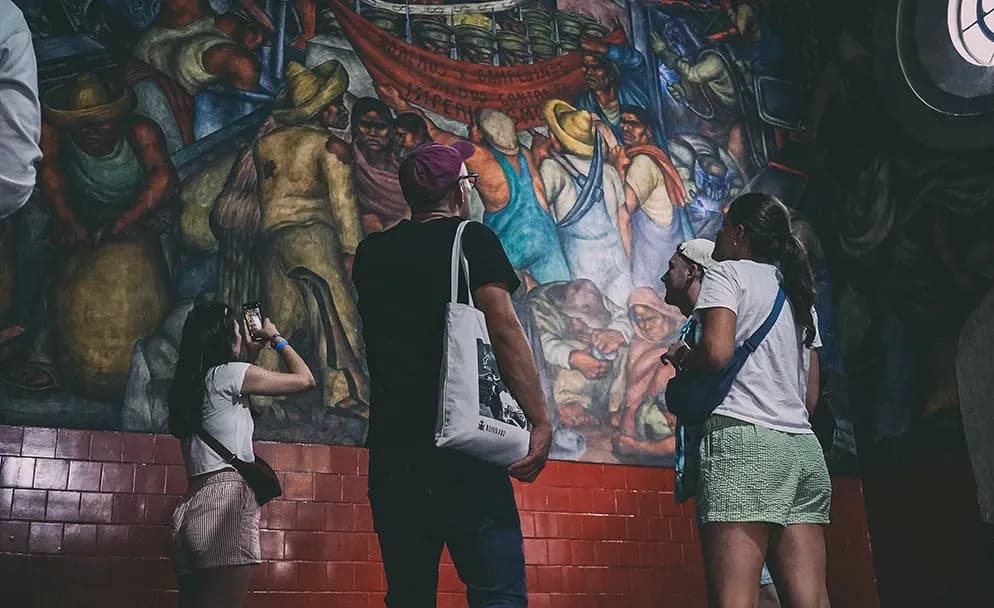
If you want to eat suadero — and tacos al pastor, carnitas, birria, and everything else — as part of a guided street food experience through Mexico City's markets and barrios, see Is a Food Tour in Mexico City Worth It? — and explore Bondabú's Mexico City food tours built for exactly that.