Day of the Dead Food in Mexico City: What to Eat & Where
Pan de muerto, tamales, mole and calabaza en tacha: what to eat during Day of the Dead in Mexico City, what it means, and where locals buy it.
Food & Drinks | Sep 29, 2026
In Mexico City, you can tell Day of the Dead is coming by the bakeries before you see a single altar. Sometime in early autumn, the windows fill with round, sugar-dusted loaves decorated with little dough bones, and the whole city starts to smell like orange blossom and butter. For the next few weeks, food isn't just something people eat. It's the way they talk to the people they've lost.
This is our guide to what's on the table (and on the altar) during Day of the Dead in Mexico City: what each dish means, how locals eat it, and where to find the good stuff.
Key takeaways
- Pan de muerto is the essential. Bakeries start selling it weeks before November 1 and it disappears right after November 2.
- Every dish on an ofrenda is chosen for a specific person: their favorite meal, drink or sweet.
- The best Day of the Dead food is found in neighborhood markets and bakeries, not in tourist restaurants.
- Eat pan de muerto the local way: with hot chocolate or champurrado.
Why food is the heart of Day of the Dead
The idea behind Día de Muertos is simple: for one night a year, the souls of the dead come home. And when someone you love comes home after a long trip, you cook for them.
That's why every ofrenda has food on it. Not generic offerings, but personal ones: the grandmother's mole recipe, the uncle's favorite brand of beer, the candy a child loved. The dead are believed to enjoy the essence and aroma of the food. The living eat it afterward, and it's said that by then it has lost its flavor. Whether you believe that or not, the table becomes a conversation between generations.
For more context on the celebration itself, the parade and the key dates, read our complete guide to Day of the Dead in Mexico City.
Pan de muerto: the bread of the season
What is pan de muerto?
A soft, slightly sweet bread flavored with orange blossom water or orange zest, brushed with butter and rolled in sugar. On top, strips of dough form a cross of "bones," with a small ball in the center that represents a skull. The round shape is often read as the circle of life.
How locals eat it
Torn by hand, dunked in hot chocolate. In the morning with coffee, in the afternoon with champurrado, at night after a cemetery visit. Nobody eats just one piece.
Versions worth trying
- Classic with sugar: the one you'll see everywhere. Best when it's still warm.
- With sesame seeds: less sweet, more common in some neighborhoods and nearby states.
- Filled: modern bakeries fill it with cream, chocolate or seasonal fillings. Purists roll their eyes. Everyone else lines up.
Bondabu tip: the best pan de muerto usually comes from the small neighborhood bakery with the line out the door, not from the supermarket. Ask a local which one their family buys from. Everyone has an answer.
Hot chocolate and champurrado
Mexican hot chocolate
Made with water or milk and chocolate tablets that include sugar and cinnamon, whisked until foamy with a wooden molinillo. It's the classic partner for pan de muerto.
Champurrado
A thick, warm drink made with masa (corn dough), chocolate and piloncillo (raw cane sugar). It's heavier than hot chocolate, perfect for cold nights at the cemetery, and often sold from big pots at street stands.
Tamales: the food of every celebration
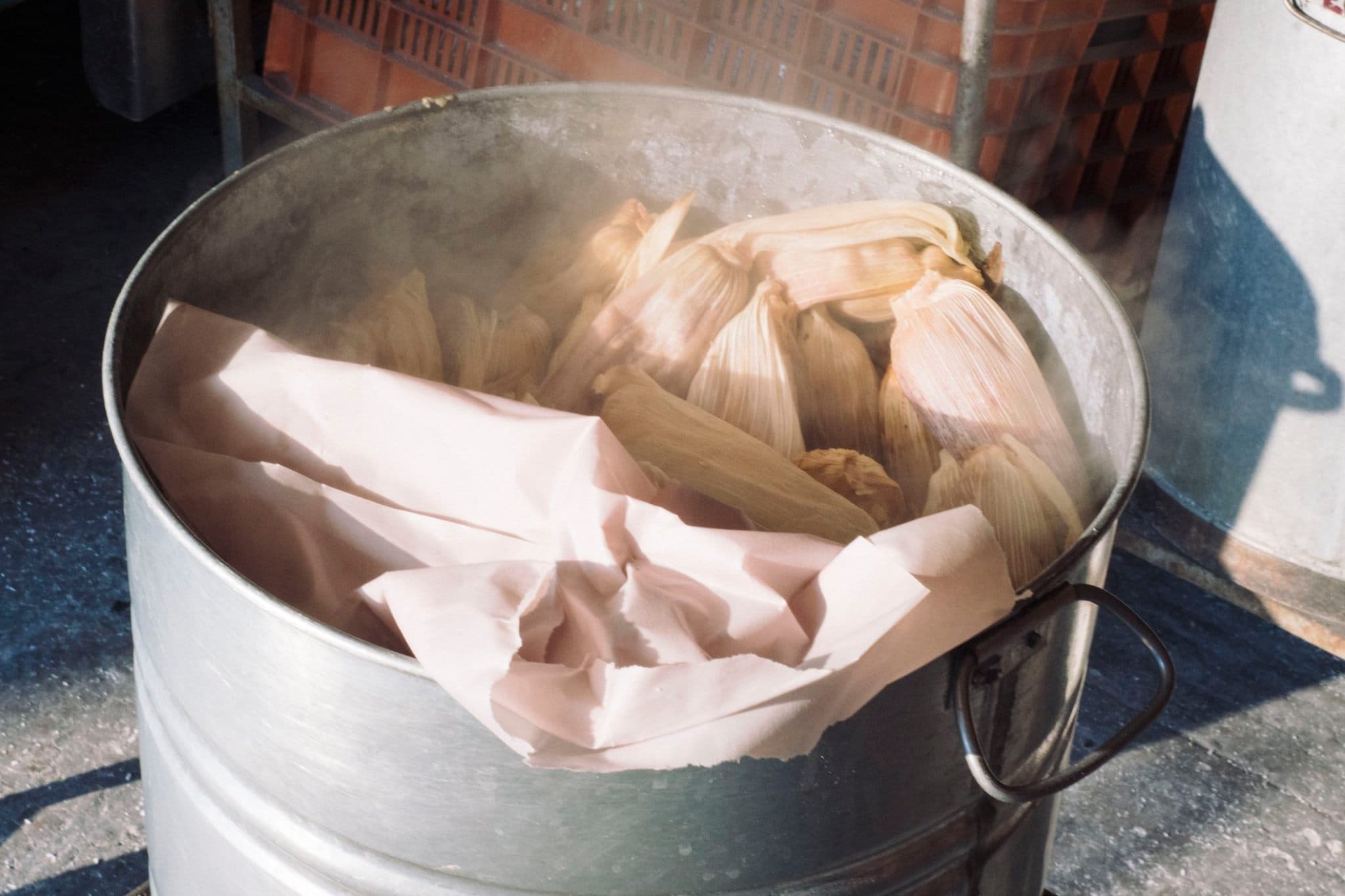
No Mexican celebration happens without tamales, and Day of the Dead is no exception. Corn dough is filled, wrapped in corn husks or banana leaves and steamed. On altars and dinner tables you'll find:
- Green or red salsa with chicken or pork: the everyday classics.
- Mole tamales: rich and festive.
- Sweet tamales: pink, with raisins, a favorite of kids and grandparents alike.
In Mexico City, the street version comes in a torta: a tamal inside a bread roll, called a guajolota. It's the unofficial breakfast of the city, all year long.
Mole: the dish of reunions
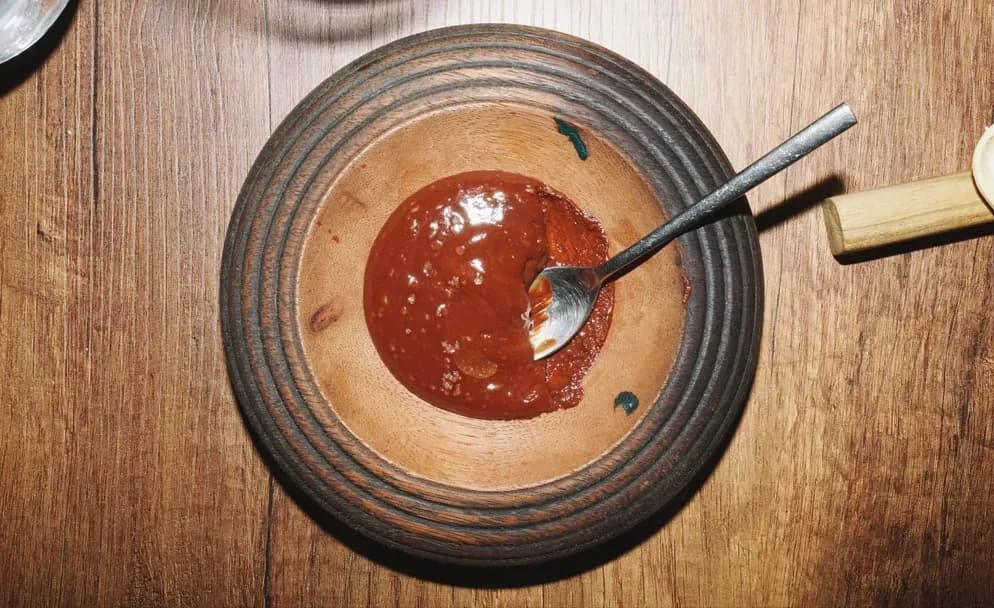
Mole is what families cook when something important is happening. It's a complex sauce made from dried chiles, spices, seeds, nuts and often chocolate, slowly cooked for hours and usually served over chicken or turkey.
Many families prepare mole specifically because it was the favorite dish of someone on the altar. It's labor-intensive, which is exactly the point: cooking it is an act of care.
Calabaza en tacha: the sweet of the season
Pumpkin cooked slowly in piloncillo, cinnamon and sometimes orange, until the syrup turns dark and sticky. It shows up on altars and in homes across the city during these weeks. Eat it warm, sometimes with a splash of milk.
Sugar skulls and sweet offerings
Calaveritas de azúcar
The decorated sugar skulls are one of the most recognizable symbols of the celebration. They're traditionally made with a sugar paste technique called alfeñique, and people often write the name of a loved one, or a friend, on the forehead. They're mostly decorative.
The ones worth eating
Look for skulls made of chocolate or amaranth (alegría). You'll find them in markets and at seasonal stalls around the city.
What goes on an ofrenda
If you visit a market in late October, you'll see families buying these, one by one:
- Water: to quench the thirst of souls after their long journey.
- Salt: a symbol of purification.
- Pan de muerto: the bread of the season, for everyone.
- Seasonal fruit: oranges, guavas, tangerines and tejocotes.
- The favorite food and drink of each person: a plate of mole, a bottle of mezcal, a soda, a pack of cigarettes, a candy.
- Cempasúchil (marigold) flowers: their color and smell guide the souls home.
Where to find Day of the Dead food in Mexico City
Neighborhood markets
Every market in the city builds an ofrenda and sells the ingredients to make one. It's the best place to see the tradition up close. Start with our guide to the best markets in Mexico City.
Neighborhood bakeries
From late September until November 2, almost every bakery in the city sells pan de muerto. The small family bakeries tend to beat the chains.
Street stands near cemeteries
On November 1 and 2, the streets around big cemeteries fill with stands selling tamales, champurrado, atole and snacks for families who spend the night with their dead.
Taste the season with a local
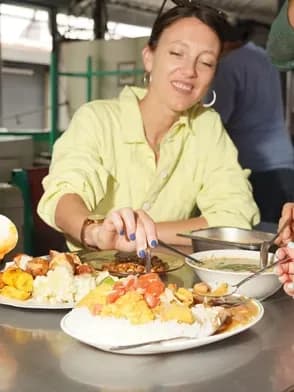
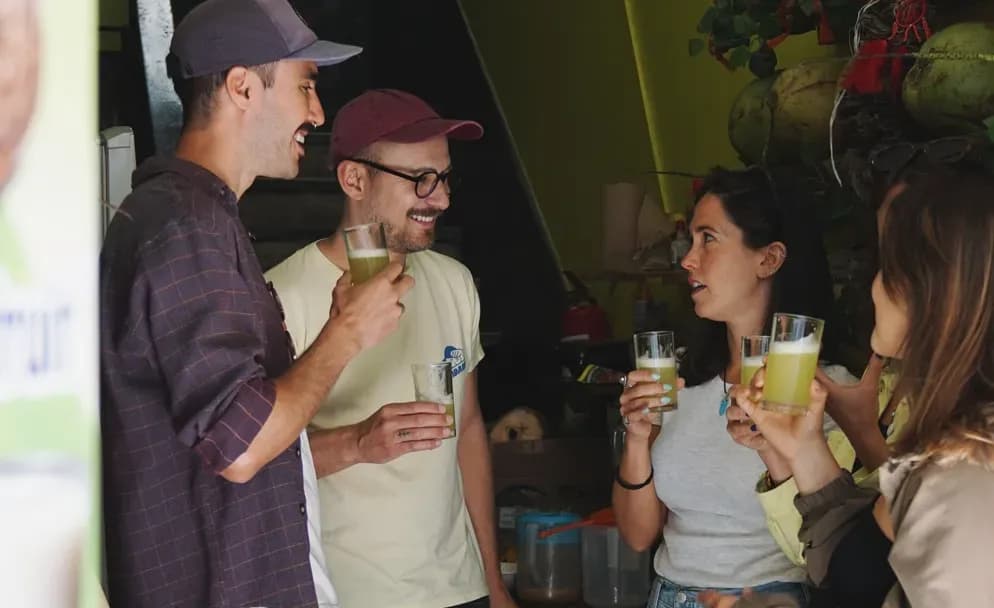
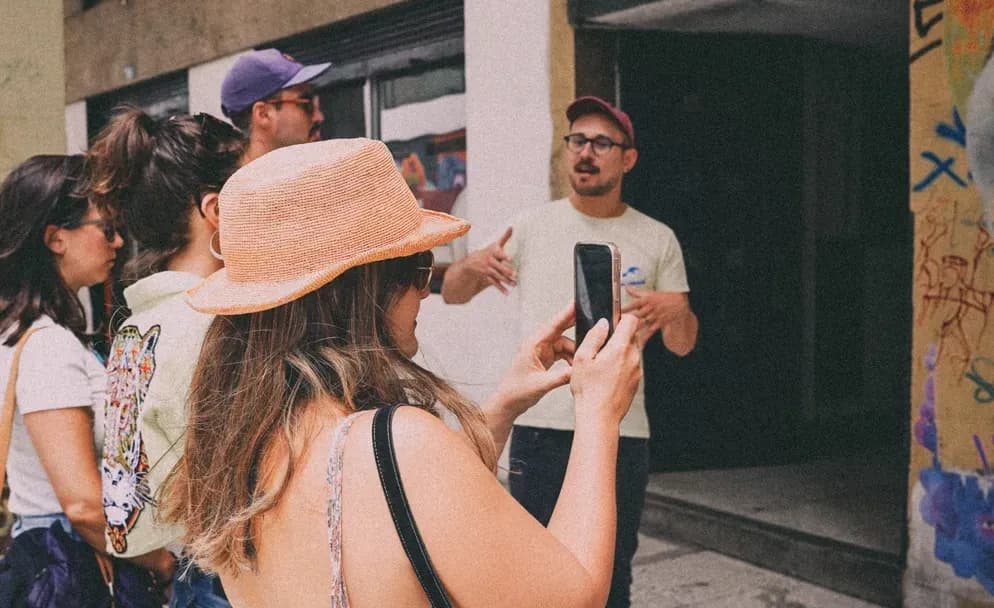
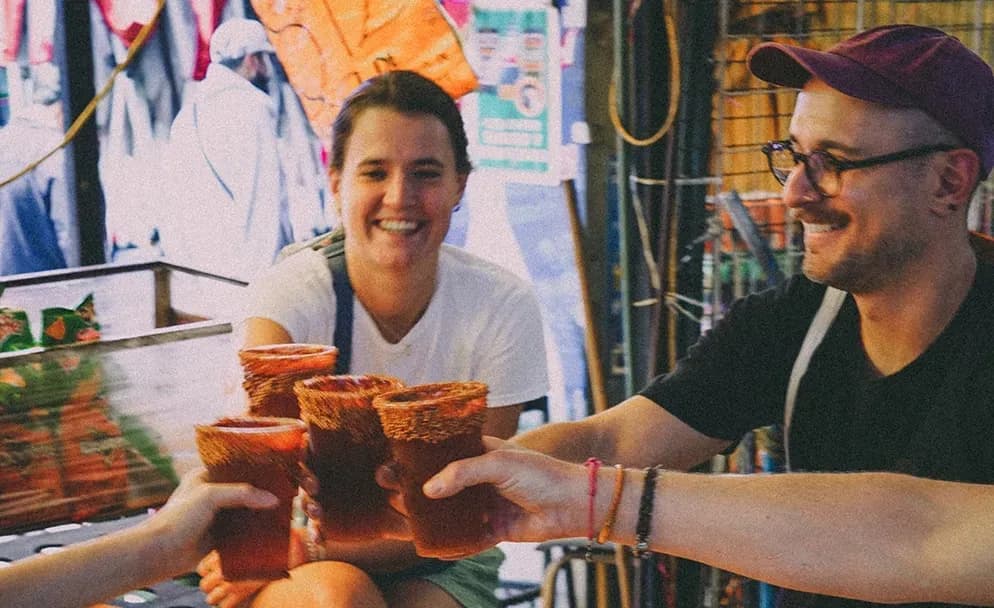
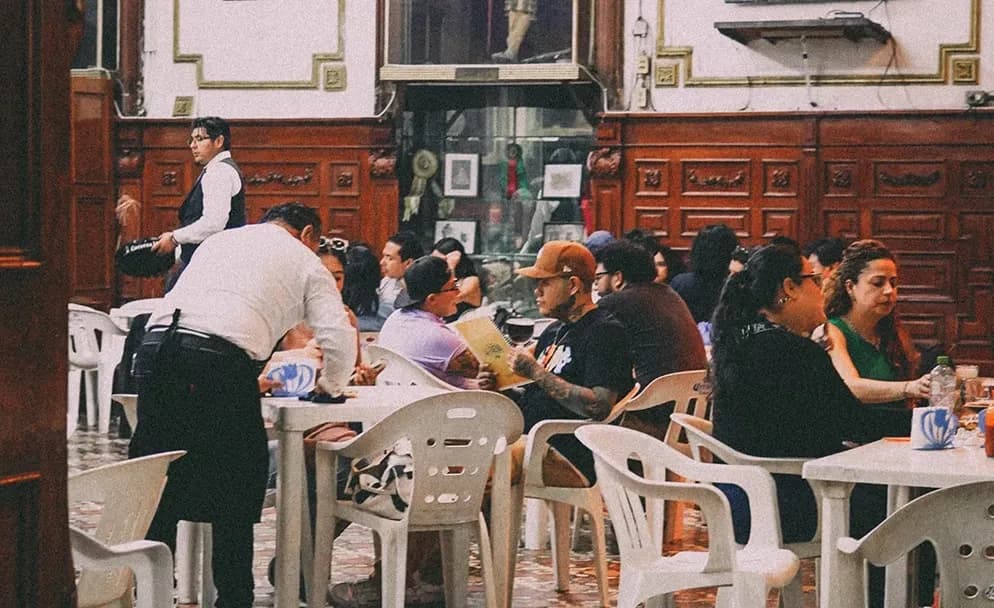
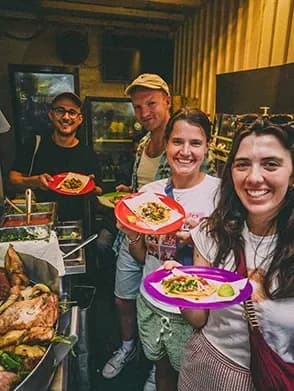
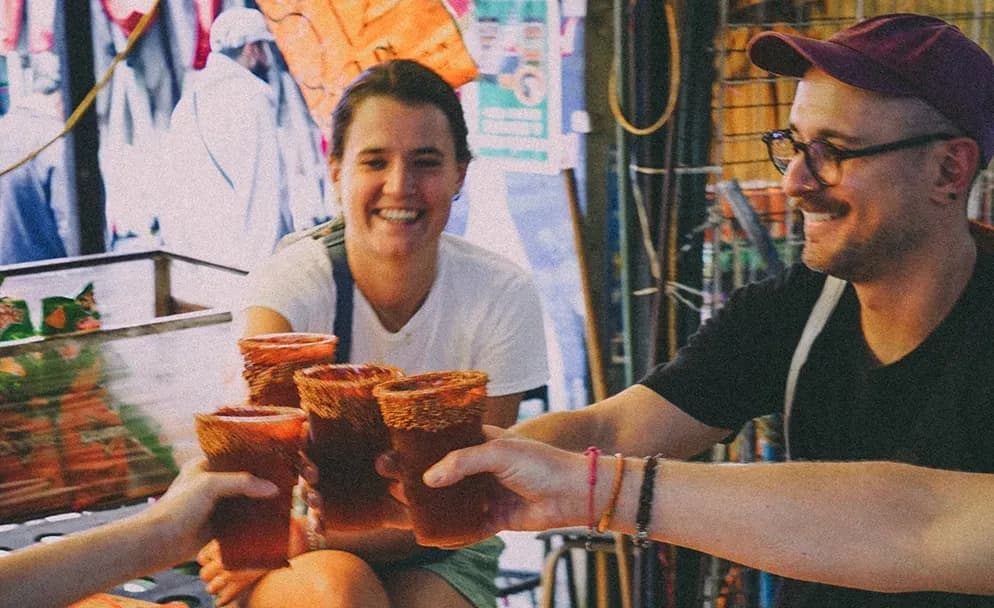
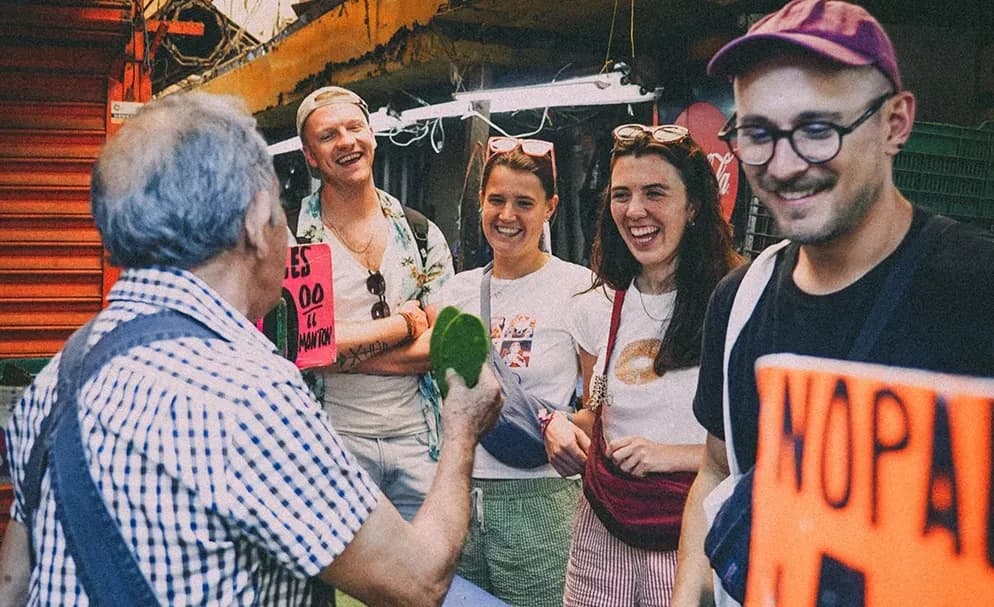
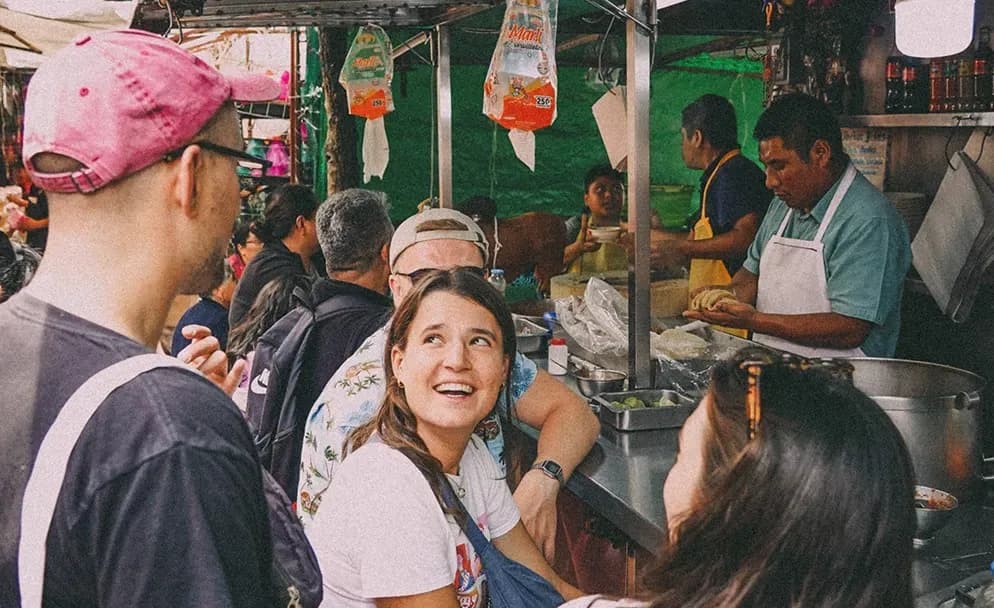
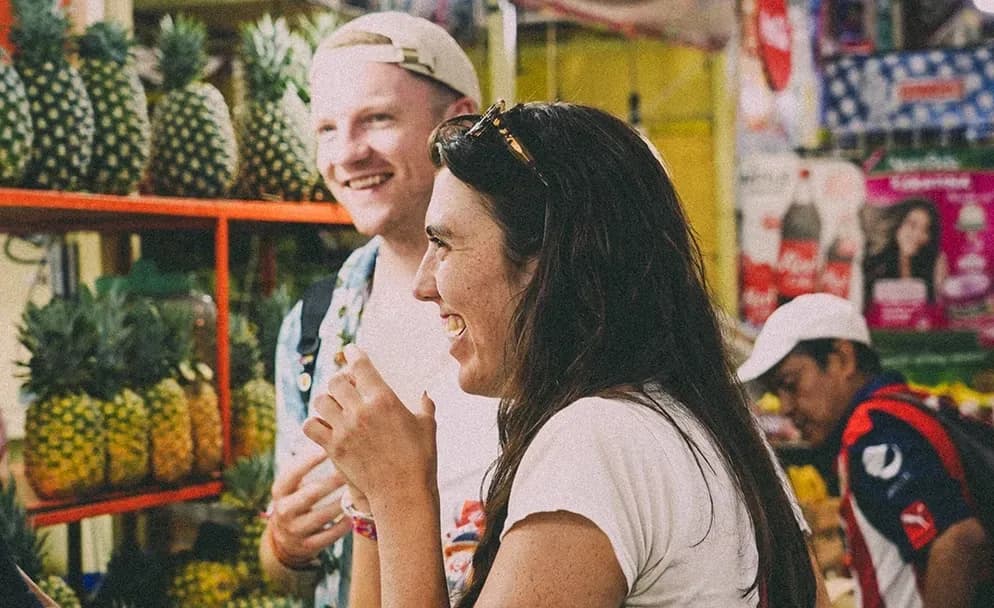
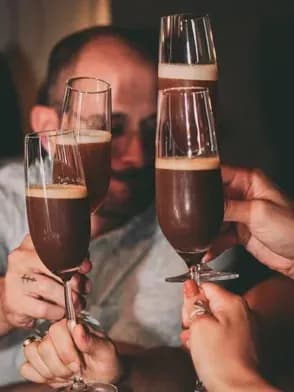
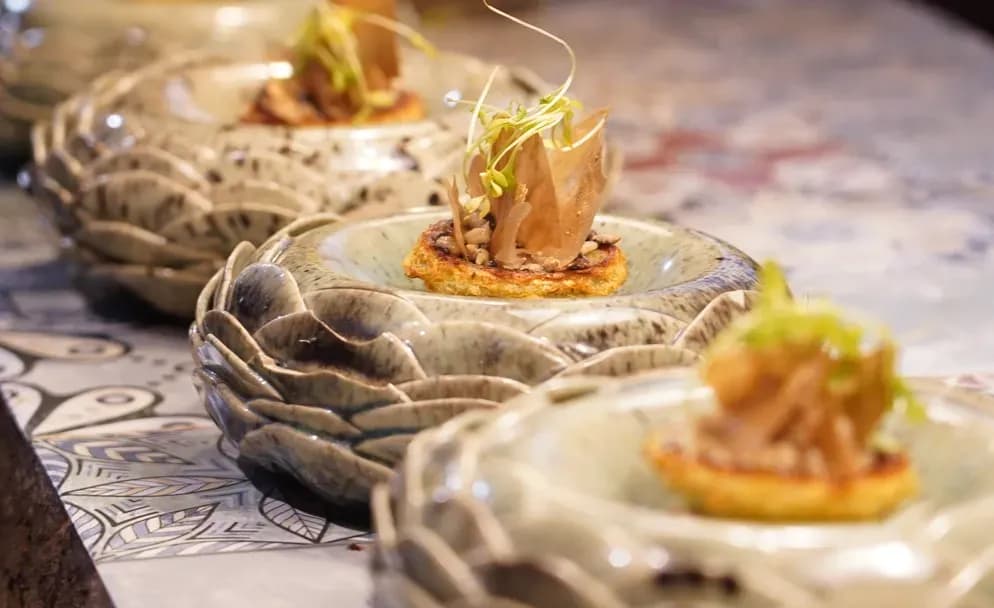
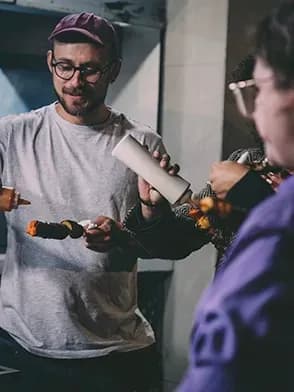
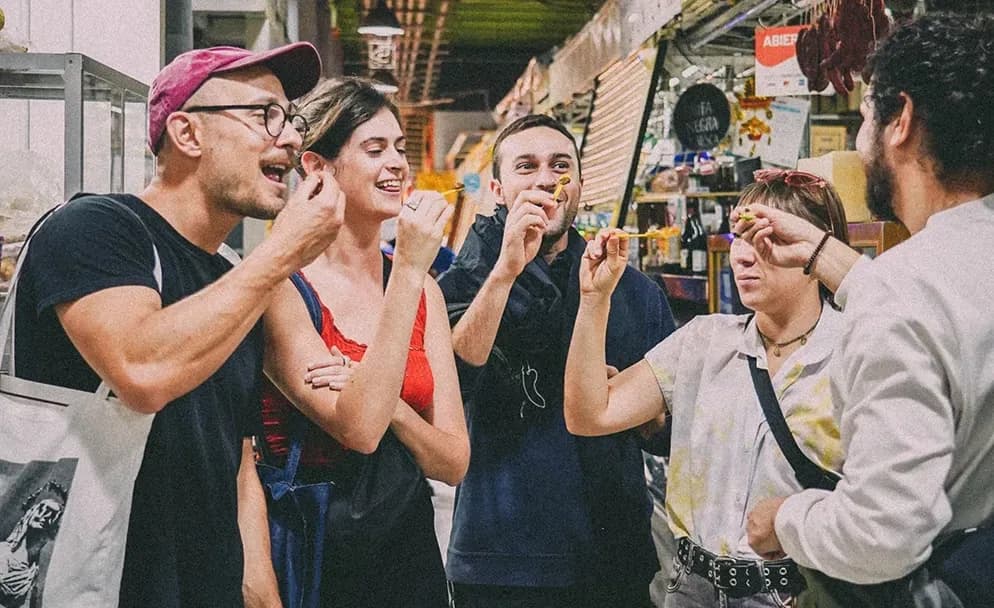
The fastest way to understand Mexico City is to eat your way through it with someone who grew up there. Our The Real Meal food tour takes you through the markets and street food stops where the city really eats, in small groups and with local guides. During Day of the Dead season, that means the flavors of the altar too.
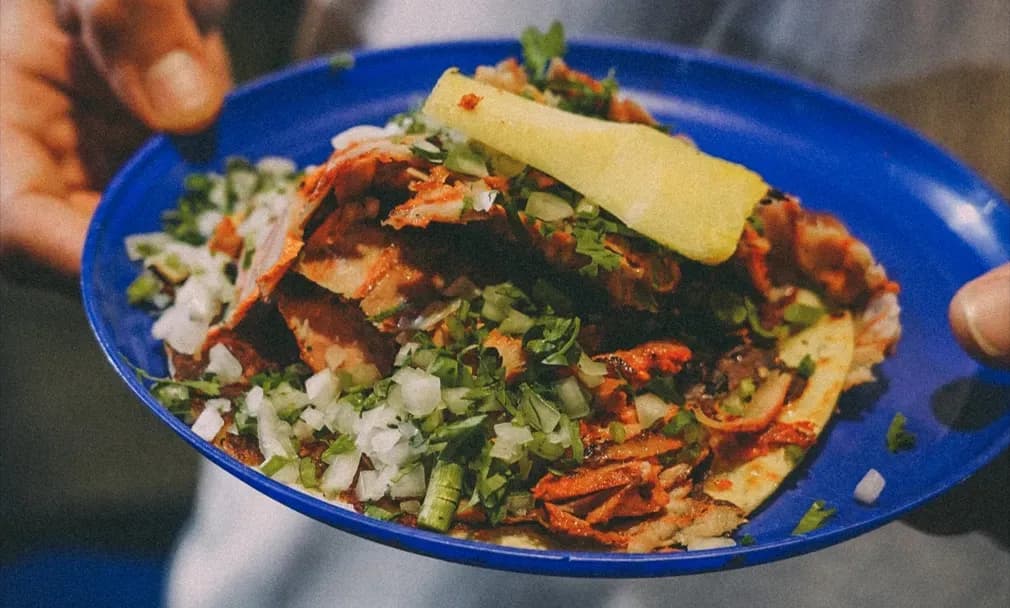
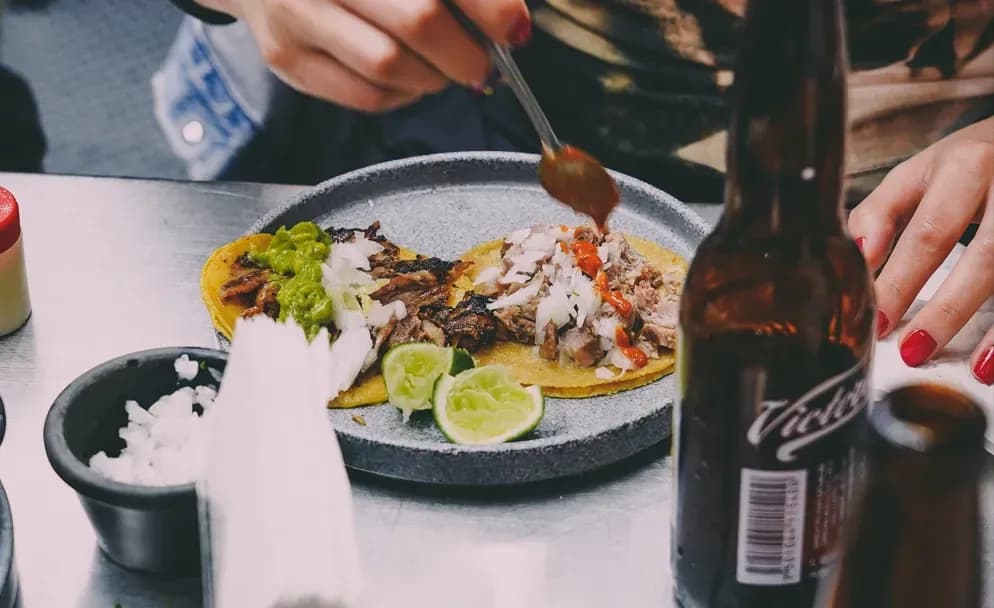
Want to go deeper into the street food scene? Read our ultimate guide to street food in Mexico City.
Frequently asked questions
What food is eaten on Day of the Dead in Mexico?
The essentials are pan de muerto, hot chocolate, champurrado, tamales, mole and calabaza en tacha. Families also cook the favorite dishes of the loved ones they're remembering.
When can you buy pan de muerto in Mexico City?
Bakeries usually start selling it in late September or early October, and it disappears right after November 2.
What does pan de muerto taste like?
Soft, buttery and slightly sweet, with notes of orange blossom or orange zest, and a sugar coating on top.
Can you eat sugar skulls?
Technically yes, but traditional sugar skulls are mostly decorative. For eating, choose chocolate or amaranth skulls.
What is the food on the ofrenda for?
It's an offering for the souls of loved ones who return for the celebration. Each dish is usually chosen because it was that person's favorite.