Day of the Dead Mexico City 2026: Dates, Parade & Tips
Day of the Dead in Mexico City 2026: parade dates, where locals celebrate, what to eat and how to join the tradition respectfully. A local's guide.
Culture | Sep 24, 2026
Every year, for a few days, Mexico City stops pretending that death is the end of the conversation. Marigolds pile up in the markets, bakeries run out of pan de muerto by noon, and families set a place at the table for the people they've lost. If you're in the city between mid-October and November 2, you're not visiting during a holiday. You're visiting during the city's most honest week of the year.
This is our guide to living it the way locals do: the dates that matter in 2026, where to go beyond the parade, what to eat, and how to be a good guest.
Key takeaways
- The Grand Day of the Dead Parade is on Saturday, October 31, 2026, from Chapultepec down Paseo de la Reforma to the Zócalo. It's free.
- The season starts earlier: the Monumental Alebrijes Parade (Oct 17) and the Catrina Procession (Oct 25).
- The real heart of the tradition is November 1 and 2: home altars, cemeteries and neighborhood markets.
- Late October is one of the busiest weeks of the year in CDMX. Book tours and restaurants early.
What is Day of the Dead (and what it isn't)?
Día de Muertos is not Mexican Halloween. It isn't about fear, costumes or candy for strangers. It's a reunion. The belief, rooted in pre-Hispanic traditions and blended with Catholic All Saints' and All Souls' Days, is that the souls of the dead come home for one night a year. Families build an ofrenda, an altar with photos, candles, marigolds, and the favorite food and drinks of the people they're waiting for.
November 1 is traditionally for children who have passed. November 2 is for adults. The mood is warm, sometimes funny, often loud. Grief is present, but so is mezcal.
Day of the Dead 2026 in Mexico City: the key dates
- Saturday, Oct 17 — Monumental Alebrijes Parade — Zócalo to Paseo de la Reforma, from noon
- Saturday, Oct 24 — Night bike ride (Paseo Nocturno) — Reforma to the Historic Center, 7–11 pm
- Sunday, Oct 25 — Mega Catrina Procession — Angel of Independence to the Zócalo, 6 pm
- Saturday, Oct 31 — Grand Day of the Dead Parade — Chapultepec to the Zócalo via Reforma, around noon
- Sunday, Nov 1 — Day of the Little Angels — Homes, cemeteries, markets
- Monday, Nov 2 — Day of the Dead — Cemeteries across the city, all day and night
Official times can shift. Check the Mexico City government's culture agenda the week before.
The Grand Day of the Dead Parade: route and tips
The parade was born in 2016, after the opening scene of the James Bond film Spectre showed a Day of the Dead procession through the Historic Center. There wasn't one in real life. The city decided there should be. Ten editions later, it draws well over a million people, with giant skeletons, floats, dancers and live music.
How to enjoy it without losing your mind:
- Pick your spot by what you want. Reforma near Chapultepec is less packed early on. The Zócalo is where the energy peaks, but also where the crowds are hardest.
- Arrive at least two hours early if you want a front-row view.
- Use the metro, not a car. Reforma closes to traffic and ride-share prices spike. Expect some stations near the route to close.
- Bring water, sunscreen and a light layer. The afternoon sun is strong and it cools off fast once it sets.
Bondabu tip: the parade is spectacular, but it's the city's show for visitors. For the real thing, save your energy for November 1 and 2.
Where to experience Day of the Dead like a local
San Andrés Mixquic
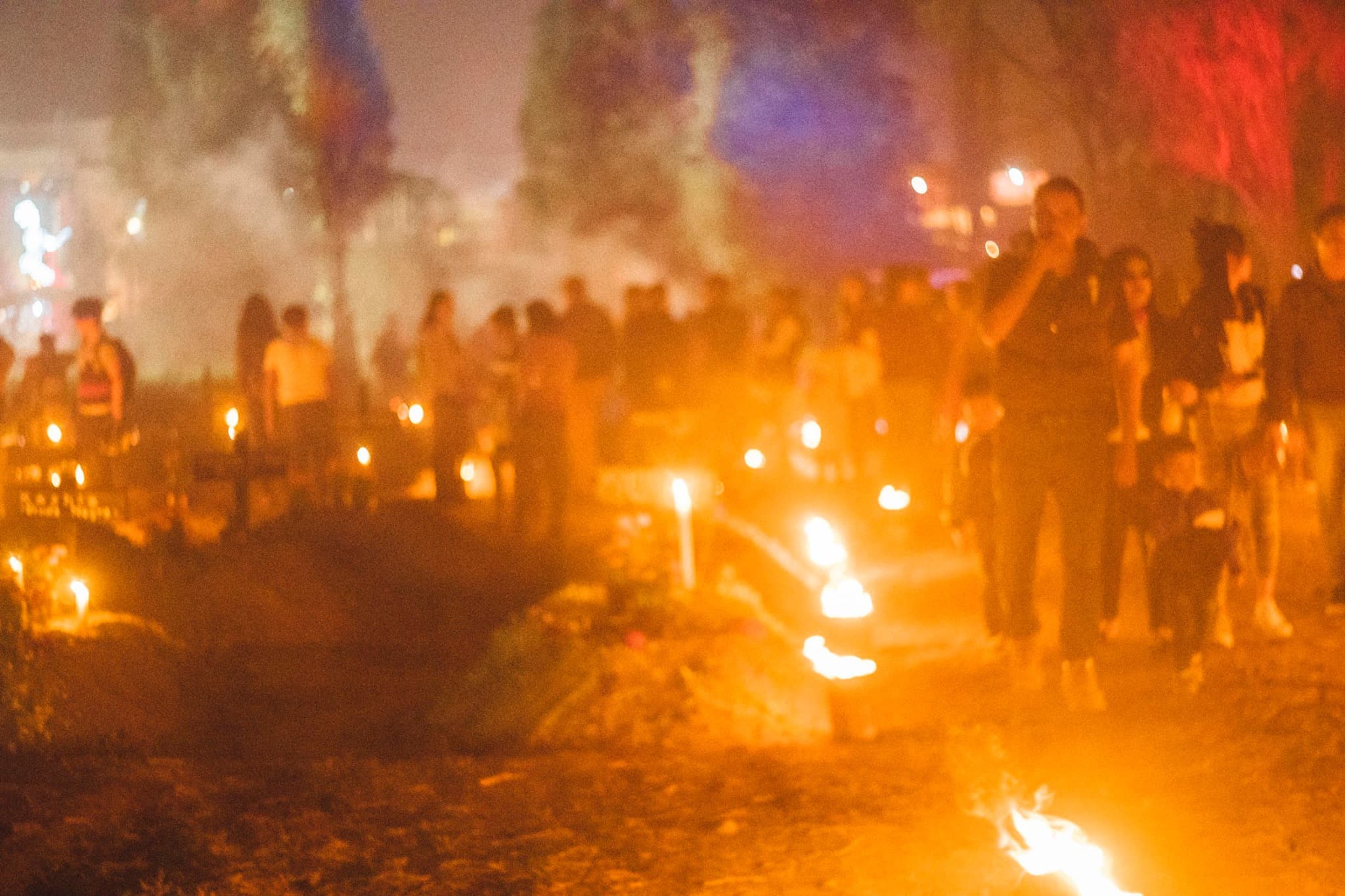
In the far southeast of the city, this town turns its cemetery into a sea of candles on the nights of November 1 and 2. It's the most traditional celebration within CDMX, and the most crowded. Go in the afternoon, leave before late night, and plan your transport back in advance.
Mercado de Jamaica
The city's great flower market becomes a wall of orange and purple in the days before November 1. Come in the morning to watch families buy armfuls of cempasúchil for their altars. It's one of the most photogenic places in the city this week.
Coyoacán
The plazas fill with altars, sugar skulls and families in catrina makeup. It feels like a village party inside the megacity.
Neighborhood markets and bakeries
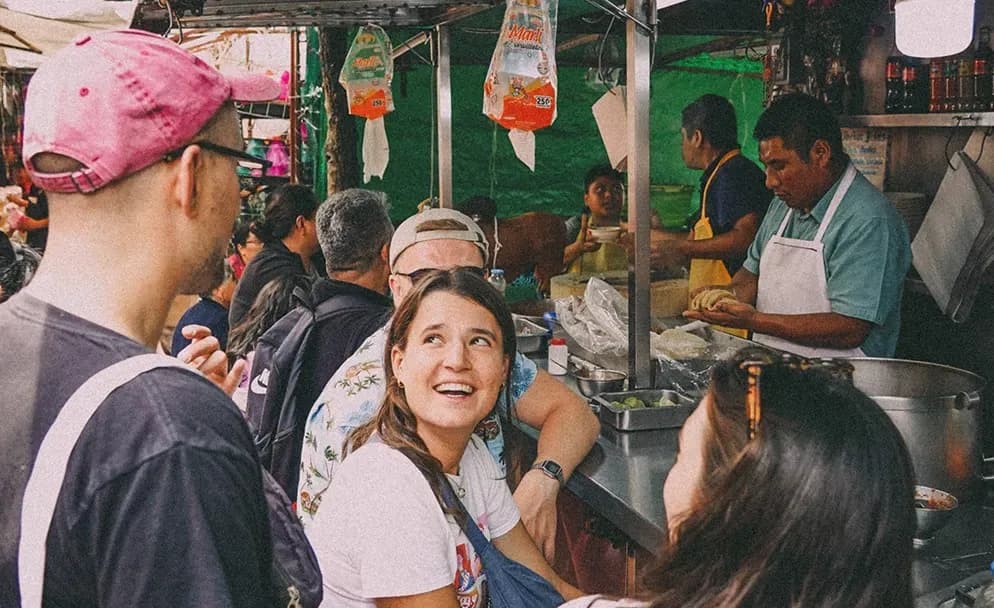
Every market in the city builds its own ofrenda. You don't need a guidebook to find them; you need to walk into any local market and look up. Our guide to the best markets in Mexico City is a good starting point.
The Zócalo and the Historic Center
The city usually builds large-scale ofrendas and installations here throughout late October. Walk it at dusk, when the candles come on.
What to eat during Day of the Dead
This is the one week when the food tells the story better than any museum.
- Pan de muerto: a soft, orange-scented sweet bread topped with dough "bones" and sugar. Eat it with hot chocolate or champurrado (a thick, chocolate corn drink).
- Tamales: a staple on altars and dinner tables alike.
- Calabaza en tacha: pumpkin slow-cooked in piloncillo (raw cane sugar) and cinnamon.
- Mole: the dish of celebrations, often cooked for the family's returning guests.
- Sugar skulls (calaveritas): decorative, sometimes with a name written on the forehead. Chocolate and amaranth versions are the ones worth eating.
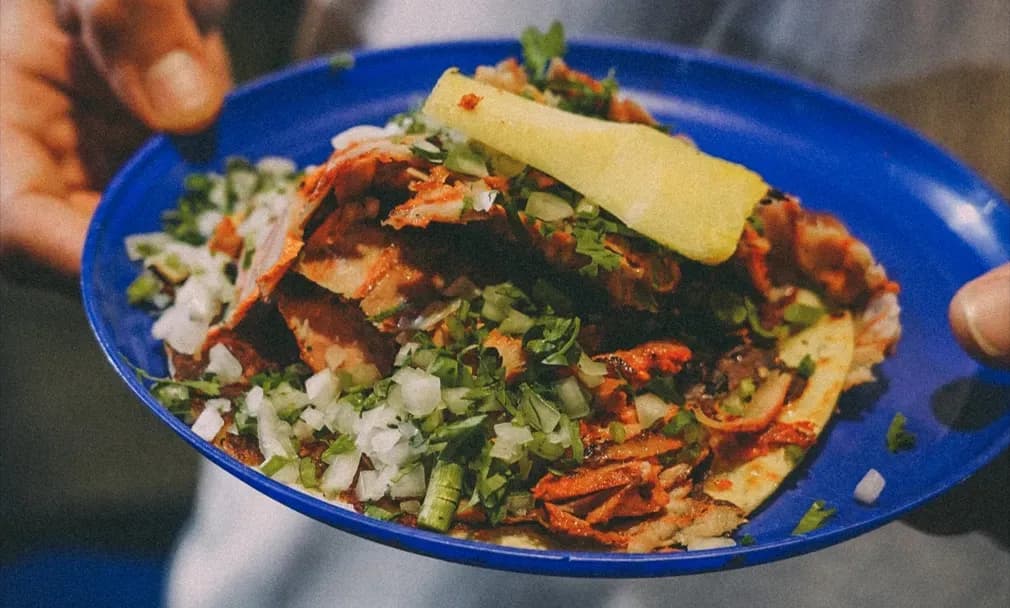
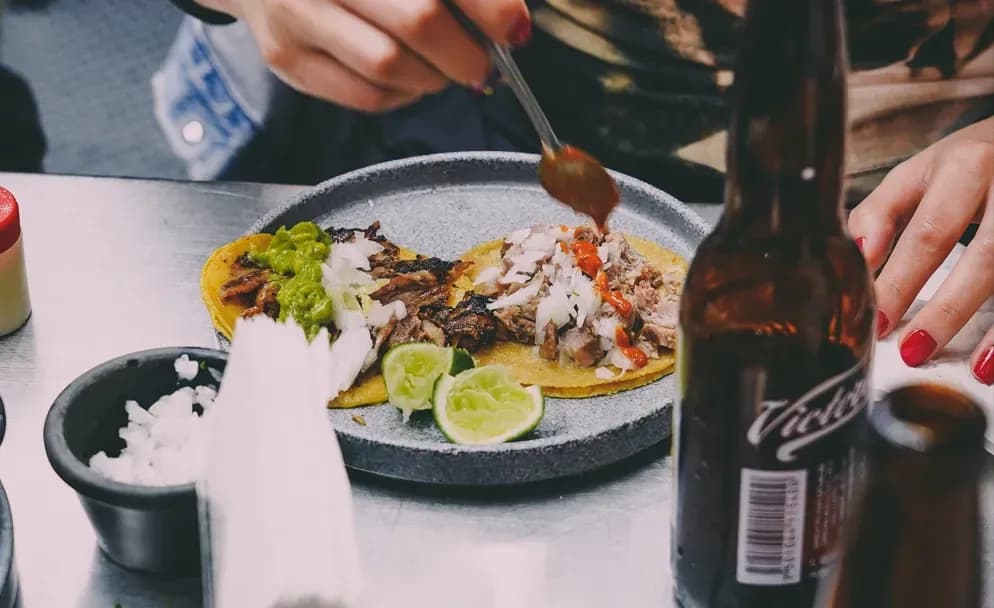
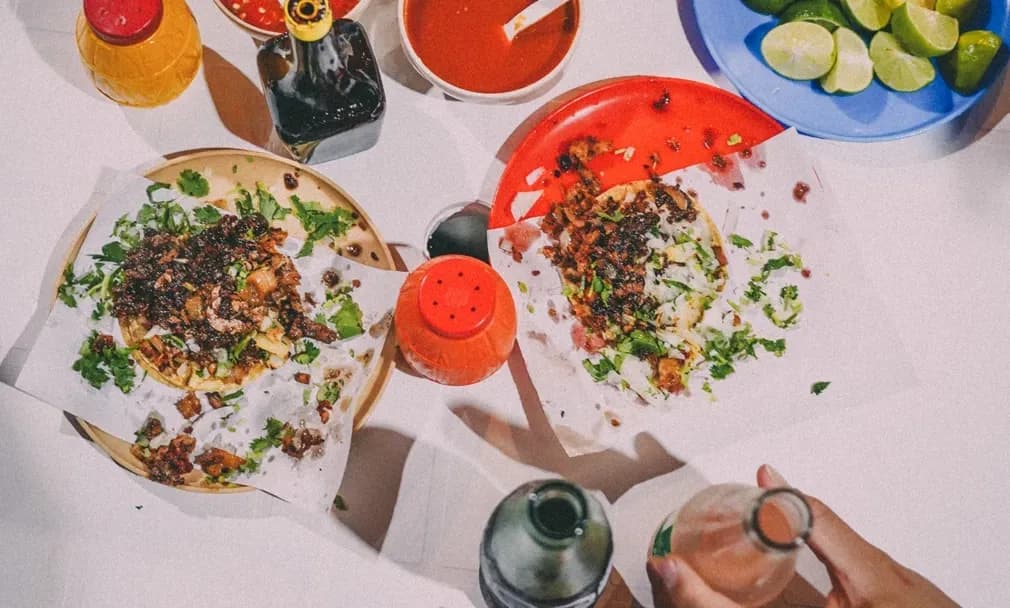
For the rest of the year, the city's food doesn't slow down. Our ultimate guide to street food in Mexico City covers what to eat beyond the season.
How to join the celebration respectfully
- Cemeteries are family spaces. You're welcome, but you're a guest. Walk quietly, don't step on graves, and don't touch the offerings.
- Ask before photographing people, especially families at a grave.
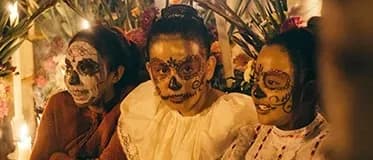
- Catrina face paint is fine. Locals do it too. What reads as disrespectful is treating the whole thing as a costume party.
- Don't take anything from an altar. The food is for the dead.
- If a family invites you to sit with them, say yes. It happens more often than you'd think, and it's the best memory you'll take home.
Practical tips for visiting Mexico City during Day of the Dead
- Book early. Hotels, restaurants and tours fill up for the last week of October.
- Expect crowds and road closures around Reforma and the Historic Center on parade days.
- Carry cash. Markets, bakeries and cemetery vendors rarely take cards.
- Weather: dry season is starting. Days are warm, nights are cool. Bring a jacket.
Experience it with a local
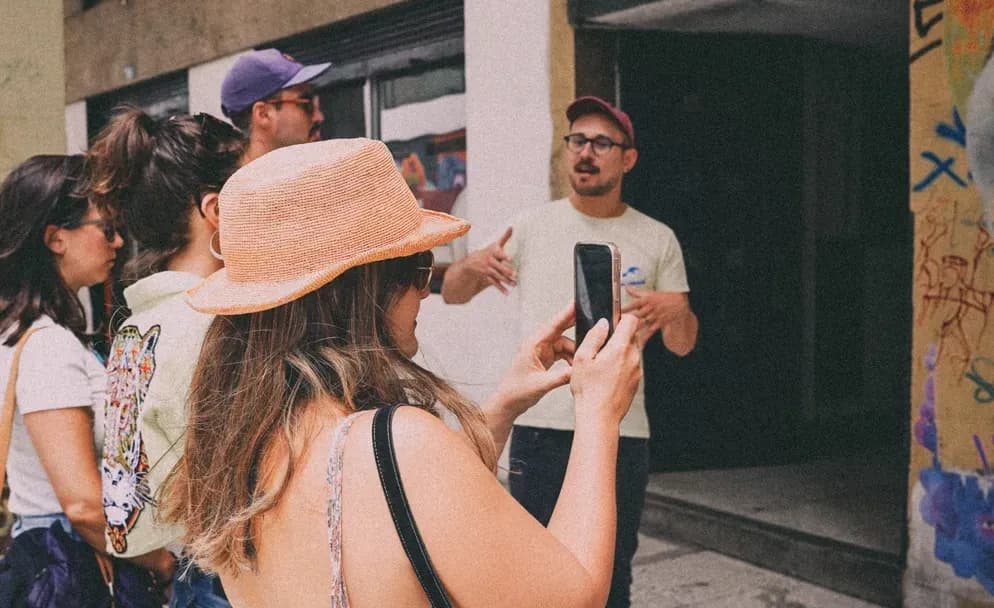
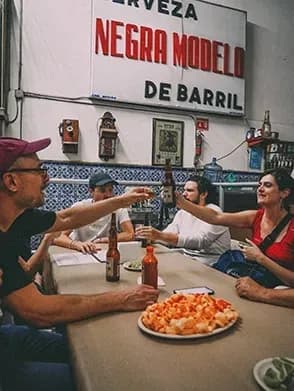
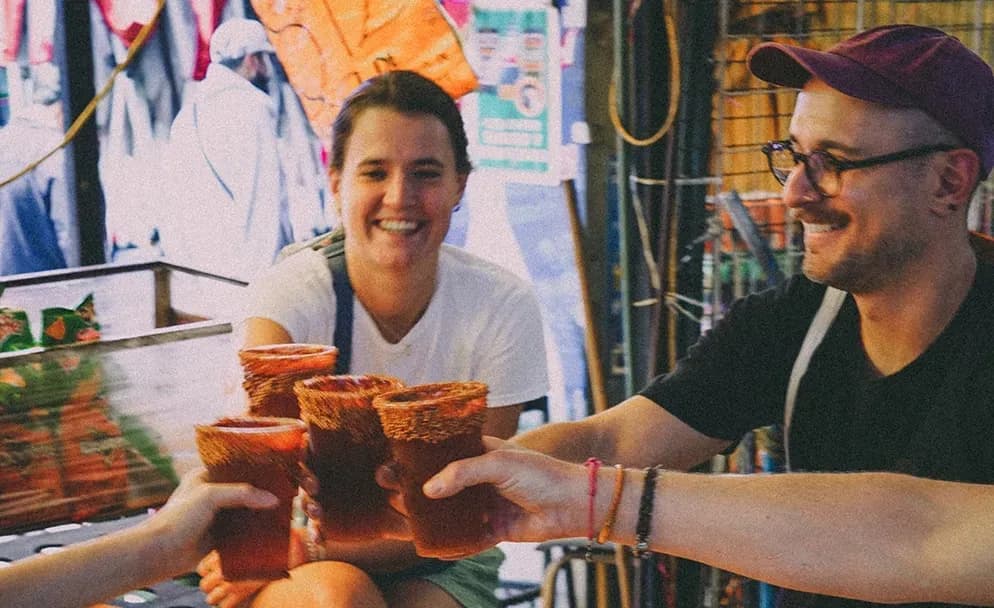
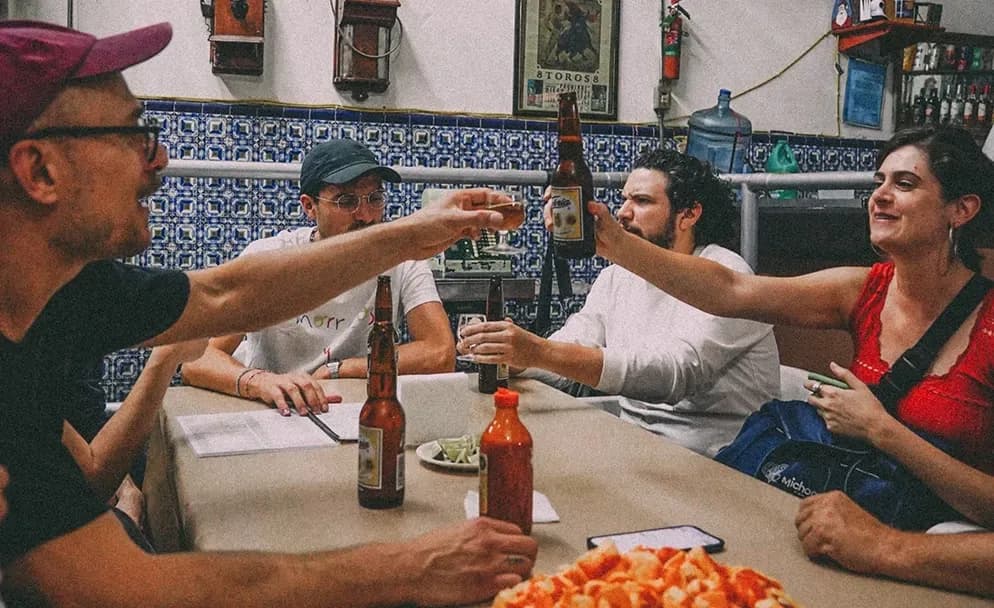
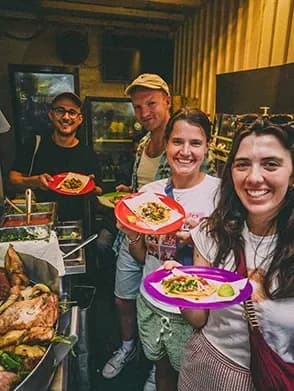
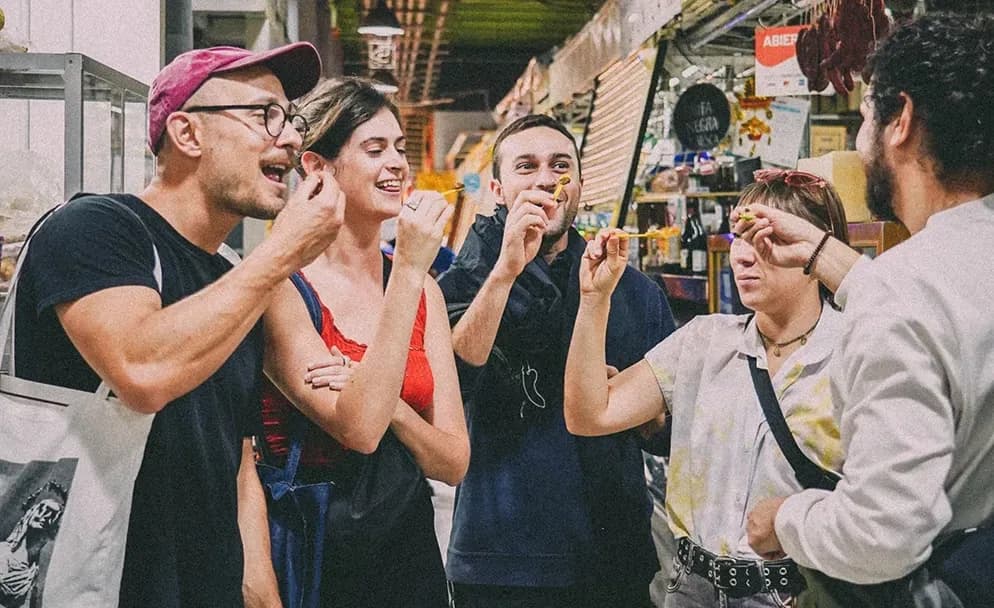
Day of the Dead is best understood the way everything in Mexico City is: through its streets, its markets and the people who keep the tradition alive. Our Deep Mexico experience takes you into the neighborhoods where the season is lived, not staged. If you'd rather eat your way through it, The Real Meal food tour puts the flavors of the city on your plate, with small groups and local guides.
Frequently asked questions
When is Day of the Dead in Mexico City in 2026?
The main days are November 1 and 2, 2026. The Grand Parade is on Saturday, October 31, and events start as early as October 17.
Is the Day of the Dead parade free?
Yes. It's a public event along Paseo de la Reforma and the Zócalo. No tickets needed.
Is Day of the Dead the same as Halloween?
No. Halloween is about fear and costumes. Day of the Dead is a family reunion with loved ones who have passed, celebrated with altars, food and music.
Can tourists visit cemeteries during Day of the Dead?
Yes, and many families welcome visitors. Be quiet, respectful and ask before taking photos.
What is the best place to celebrate Day of the Dead in Mexico City?
For the spectacle, the parade and the Zócalo. For tradition, San Andrés Mixquic on the nights of November 1 and 2. For something in between, Coyoacán.
What should I eat during Day of the Dead?
Pan de muerto with hot chocolate is the essential. Look also for tamales, mole and calabaza en tacha.