New Year's Eve in Ecuador: Años Viejos, Widows & Traditions
New Year's Eve in Ecuador: burning años viejos, the viudas, the testamento and midnight rituals. How Quito says goodbye to the year, and how to join in.
Culture | Nov 18, 2026
In Ecuador, the old year doesn't just end. It burns. On the night of December 31, families across the country set fire to años viejos, life-size effigies stuffed with sawdust and paper, taking the bad memories of the year with them. Men dressed as grieving widows stop traffic to beg for coins, families read funny "wills" from the dying year, and the whole country counts down with grapes in hand.
It's one of the most unique New Year's celebrations in Latin America, and Quito is a great place to live it.
Key takeaways
- Ecuadorians welcome the new year by burning años viejos, effigies that represent the year that's ending.
- On December 31, men dressed as viudas (widows) "mourn" the año viejo and ask for coins.
- Families often read a humorous testamento, the "will" of the old year, before the burning.
- At midnight: twelve grapes, yellow underwear for luck and, for travelers, a run around the block with a suitcase.
- In Quito, burning años viejos in public spaces is banned. Streets, sidewalks and parks are off-limits, and offenders can be fined. Families burn them on private property instead.
What is an año viejo?
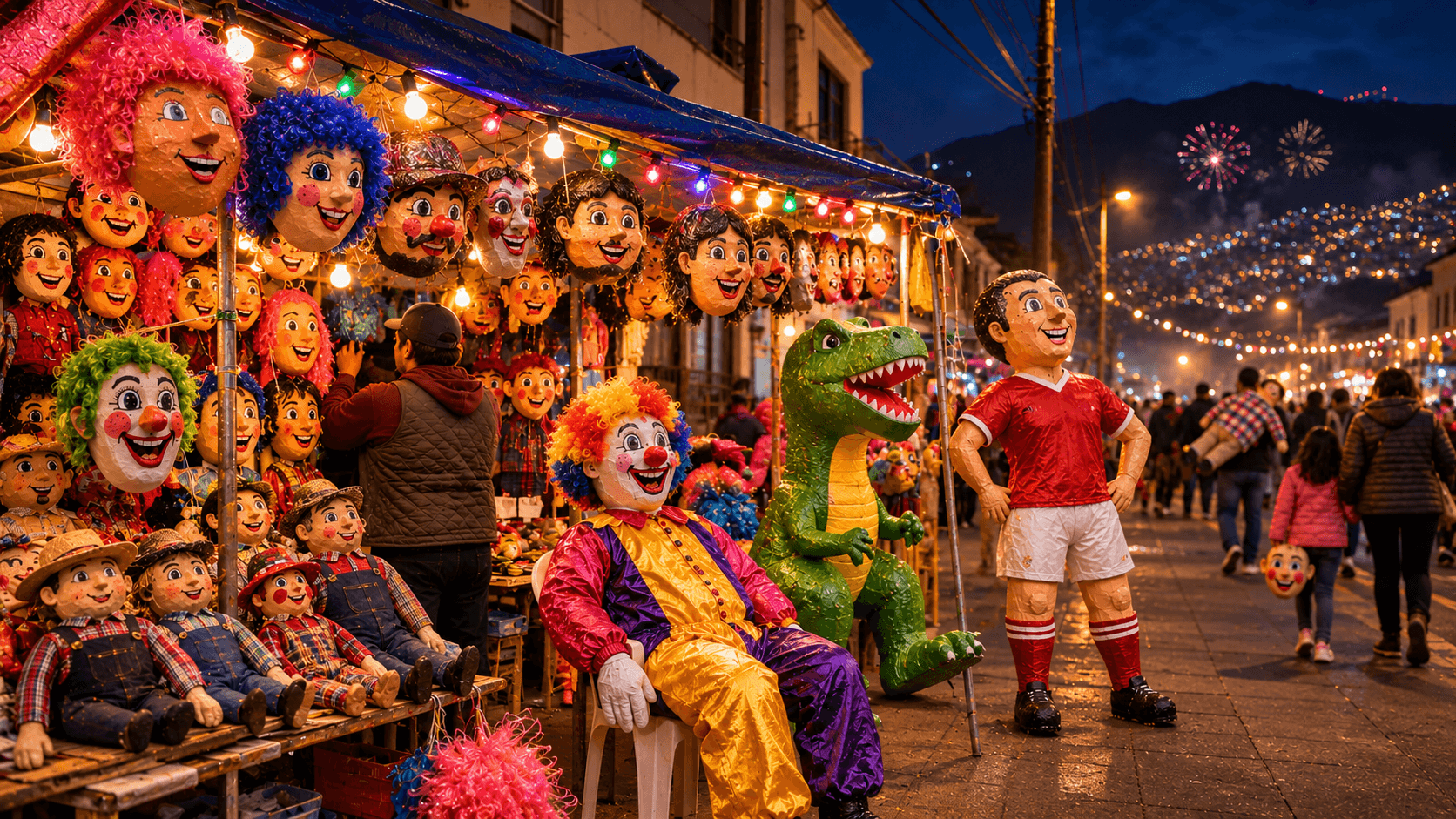
An año viejo, also called a monigote, is a life-size doll made from old clothes stuffed with sawdust, paper or straw, usually with a painted mask. It represents the year that's ending, and burning it at midnight is a way of leaving behind everything bad that happened and starting fresh.
Many años viejos are caricatures: politicians, footballers, cartoon characters or whatever person or event defined the year. Walking around in the last days of December, you'll see them sitting on chairs outside houses, on car hoods and at street stalls, each one more creative than the last.
The viudas: Ecuador's most theatrical tradition
On December 31, you'll see men dressed in black dresses, wigs and dramatic makeup, crying for their "husband", the año viejo. These are the viudas, the widows of the old year. They stop cars and stretch ropes across streets to ask drivers and passersby for a coin "for the funeral". It's all done in good humor, and a few coins usually get you a dramatic thank-you and the right to pass.
The testamento: the old year's will
Before the burning, many families and neighborhoods read a testamento, a humorous will in which the dying year "leaves" its belongings to friends and relatives. It's full of inside jokes, gentle teasing and local gossip, and it's often the funniest moment of the night.
Midnight rituals for good luck
- Twelve grapes: one for each stroke of midnight, with a wish for each month.
- Yellow underwear: for luck and prosperity in the new year.
- A suitcase run: grab a suitcase and run around the block if you want to travel in the coming year.
- Jumping over the fire: in many places, the brave jump over the burning año viejo for good luck. Watch from a safe distance.
What to eat on New Year's Eve in Ecuador
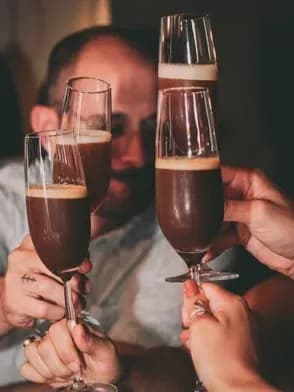
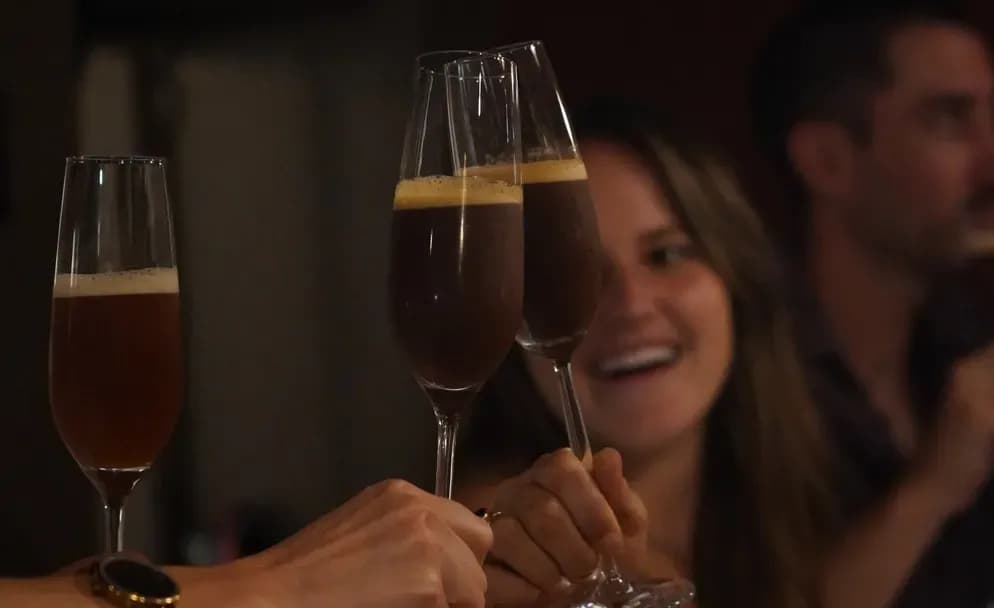
New Year's Eve dinner is a family affair, usually late at night: roast pork or turkey, salads, and plenty of drinks to toast at midnight. In Quito's cold December nights, a warm canelazo is never far away. Learn more about the city's signature drink in our guide to the Fiestas de Quito.
Where to celebrate New Year's Eve in Quito
- Your neighborhood: the real celebration happens at home and among neighbors, around the años viejos. In Quito, burning them on streets, sidewalks and in parks is banned, so families do it on private property.
- The monigote stalls: in the last weeks of December, street stalls along avenues like Avenida América, Teniente Hugo Ortiz and around Parque La Carolina sell años viejos, cardboard masks and wigs. They're worth a visit just to see the creativity.
- Municipal events: in recent years, the city has organized año viejo fairs and widow contests in the north and south of Quito. Check the municipality's agenda in late December.
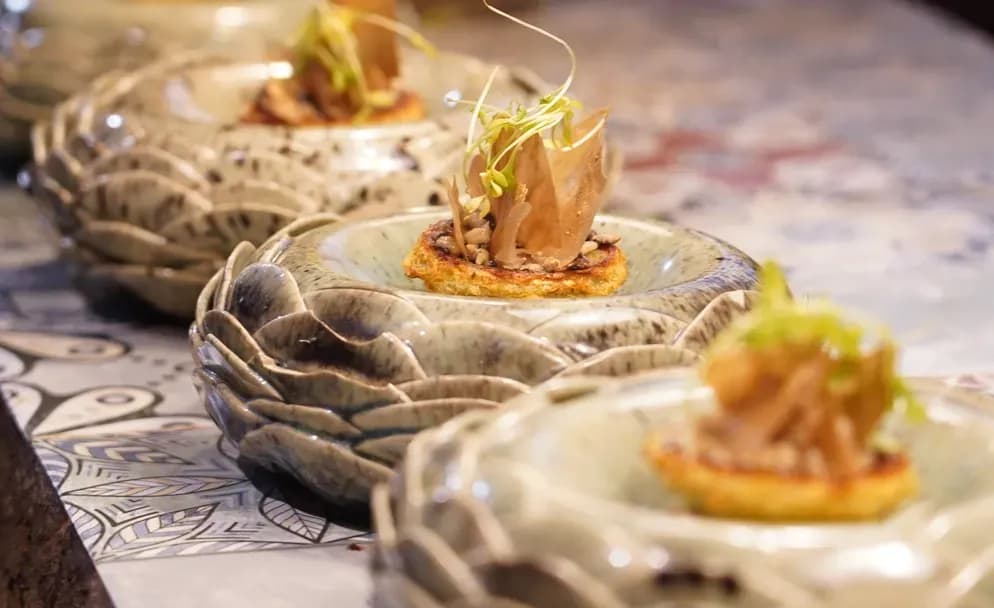
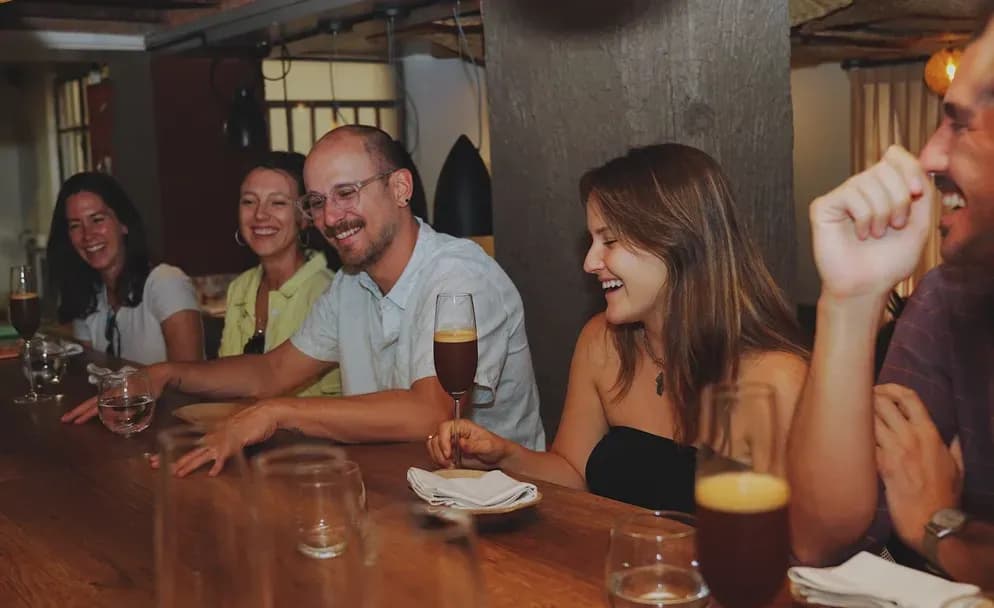
- Bars and restaurants: many offer special dinners and parties. Book ahead. Our guides to Quito nightlife and the best restaurants in Quito have our favorites.
Bondabu tip: the best views of midnight are from the hills. When the clock strikes twelve, the whole valley lights up with fireworks and small fires from family celebrations.
Tips for New Year's Eve in Ecuador
- Keep a few coins handy for the viudas.
- Follow the local rules. In Quito, burning años viejos in public spaces can get you fined. If you join a family celebration, keep a safe distance: años viejos can contain fireworks.
- Expect smoke. The air can get heavy around midnight.
- Plan your transport. Taxis are scarce and expensive right after midnight. Use a taxi app and be patient.
- Check opening hours. Many businesses close on January 1.
Experience Quito with a local
The best way to understand Quito's traditions is through its food and its people. Our Quito food tour takes you through the city's markets and street food in a small group with a local guide.
About the author
Ernesto is a chef based in Quito and the founder of Bondabu, where he designs food and culture experiences in Quito and Mexico City.
Frequently asked questions
What is the año viejo tradition in Ecuador?
On New Year's Eve, Ecuadorians burn años viejos, life-size effigies that represent the year that's ending, to leave the bad behind and welcome the new year.
Why do men dress as widows on New Year's Eve in Ecuador?
They play the viudas, the widows of the old year. They stop cars and ask for coins for the año viejo's "funeral", all in good humor.
What do people eat on New Year's Eve in Ecuador?
A late family dinner, often roast pork or turkey, followed by twelve grapes at midnight.
Is New Year's Eve in Quito safe?
Yes, with common sense. Keep your distance from fires and fireworks, watch your belongings and plan your ride home. Remember that in Quito, burning años viejos in public spaces is banned.
What are the New Year's superstitions in Ecuador?
Eating twelve grapes at midnight, wearing yellow underwear for luck and running around the block with a suitcase to travel in the new year.