Colada Morada & Guaguas de Pan: Ecuador's Day of the Dead
Colada morada and guaguas de pan: what Ecuador eats for the Day of the Dead, what it means, and where to try it in Quito. A local chef's guide.
Food & Drinks | Sep 29, 2026
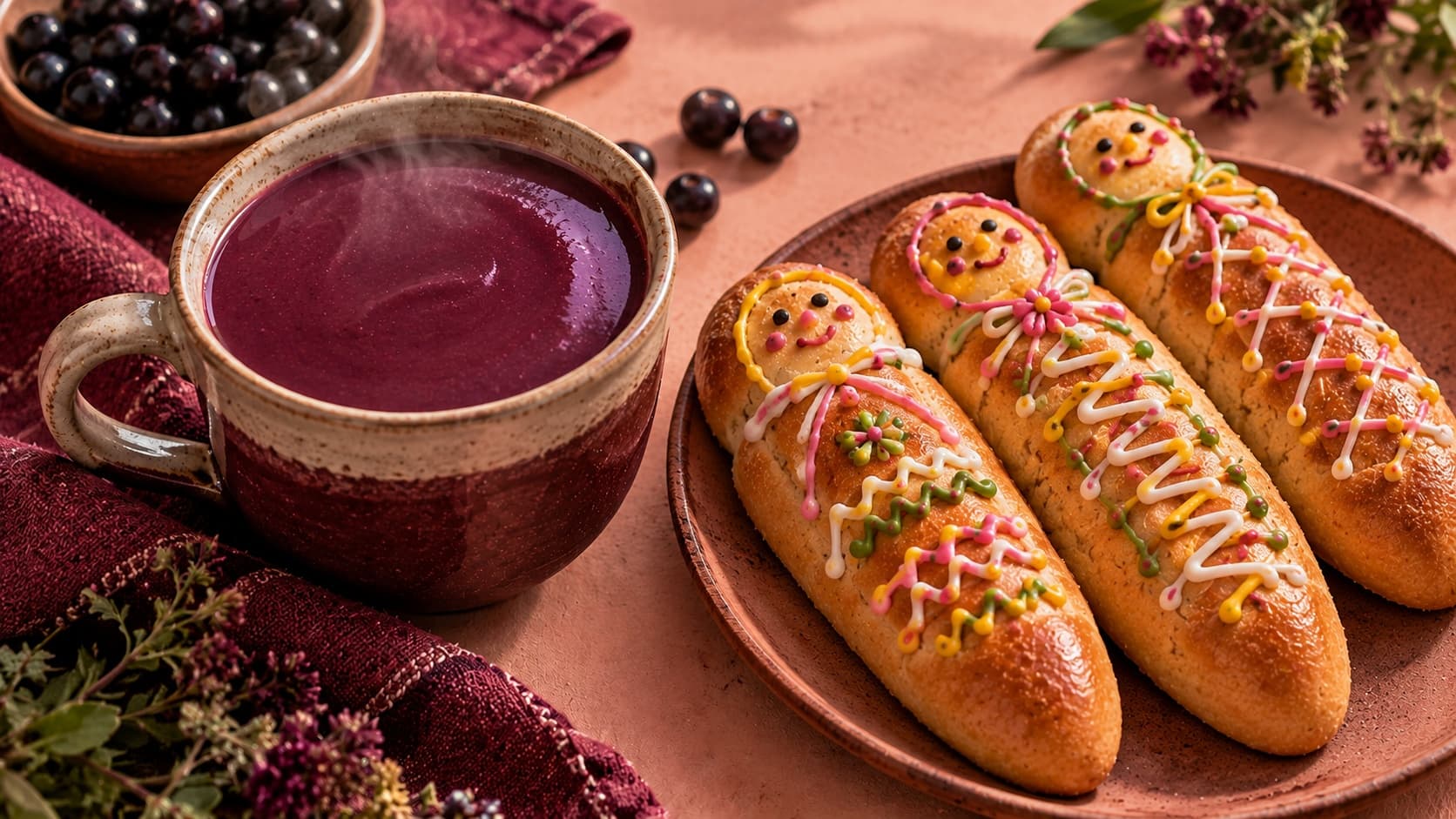
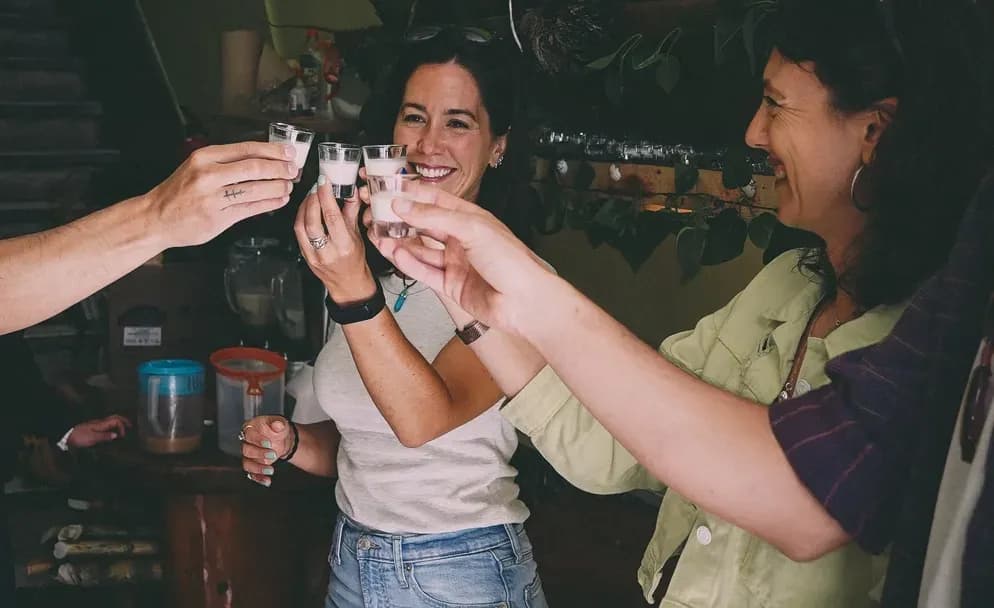
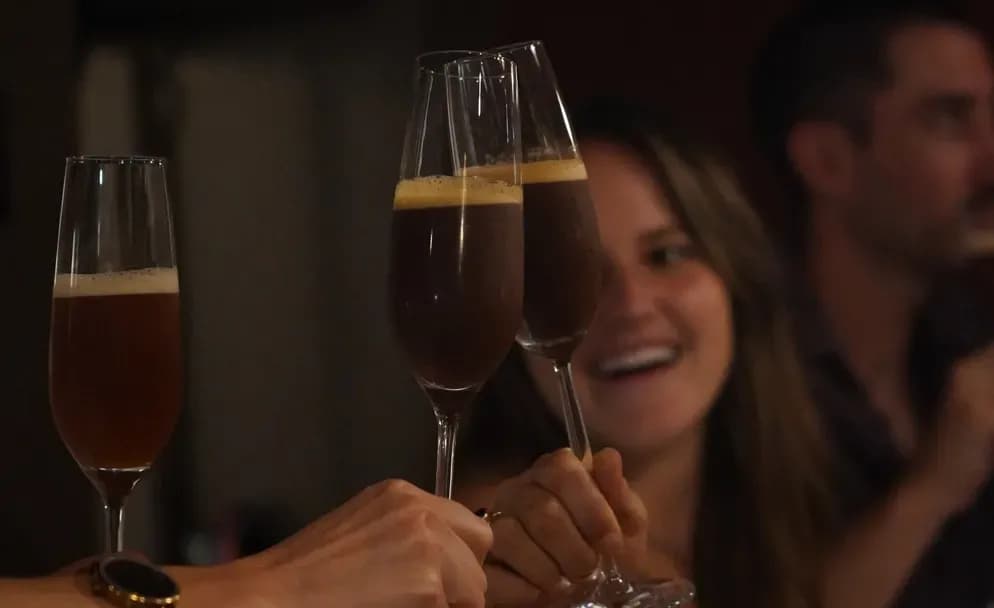
Every year in late October, Quito's bakeries fill up with little bread dolls wrapped in colorful icing, and a thick, deep purple drink starts steaming in pots all over the city. It's the season of colada morada and guaguas de pan, the two foods Ecuadorians share for the Day of the Dead. If you're in Quito around November 2, you won't need to look for them. They'll find you.
This guide was written by Ernesto, a Quito chef and the founder of Bondabu, who grew up with a glass of colada in one hand and a guagua in the other.
Key takeaways
- Colada morada is a thick, spiced drink made with purple corn flour, Andean fruits and aromatic herbs.
- Guaguas de pan are sweet breads shaped like swaddled babies. "Guagua" means child in Kichwa.
- Both are eaten for Día de los Difuntos, Ecuador's Day of the Dead, on November 2.
- You'll find them in Quito's bakeries and markets from mid-October to early November.
What is Día de los Difuntos?
Día de los Difuntos is Ecuador's version of the Day of the Dead, celebrated on November 2 and a national holiday. Families visit cemeteries to clean and decorate the graves of their loved ones, bring flowers and, in many Andean communities, share food with the people they've lost.
The tradition blends Catholic All Souls' Day with Andean customs that are much older. Long before the Spanish arrived, Indigenous communities honored their ancestors with food and drink. Colada morada and guaguas de pan are what that tradition tastes like today.
If you're curious how it compares to Mexico, read our guide to Day of the Dead in Mexico City. Same spirit, very different flavors.
Colada morada: the purple drink of the season
What is colada morada?
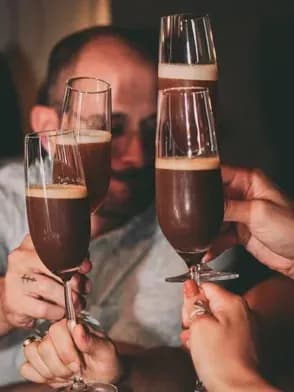
Colada morada is a thick, warm (or cold) drink made with purple corn flour and a long list of fruits and spices. It's somewhere between a drink and a dessert: sweet, fruity, aromatic and just thick enough to coat the spoon. Every family has its own recipe, and every family thinks theirs is the best.
What's in colada morada?
- Purple corn flour: the base, which gives the drink its body and color.
- Mortiño: a wild Andean blueberry that grows in the páramo, the high grasslands around Quito. It's the soul of the recipe.
- Fruits: usually blackberries, strawberries, pineapple and babaco, a mountain fruit related to papaya. They're blended into the drink, so you taste them rather than see them.
- Aromatic herbs: lemongrass, lemon verbena, myrtle and orange leaves, among others.
- Spices: cloves, allspice and ishpingo, an aromatic spice from the Amazon.
- Panela: unrefined cane sugar, for a deeper sweetness.
Hot or cold?
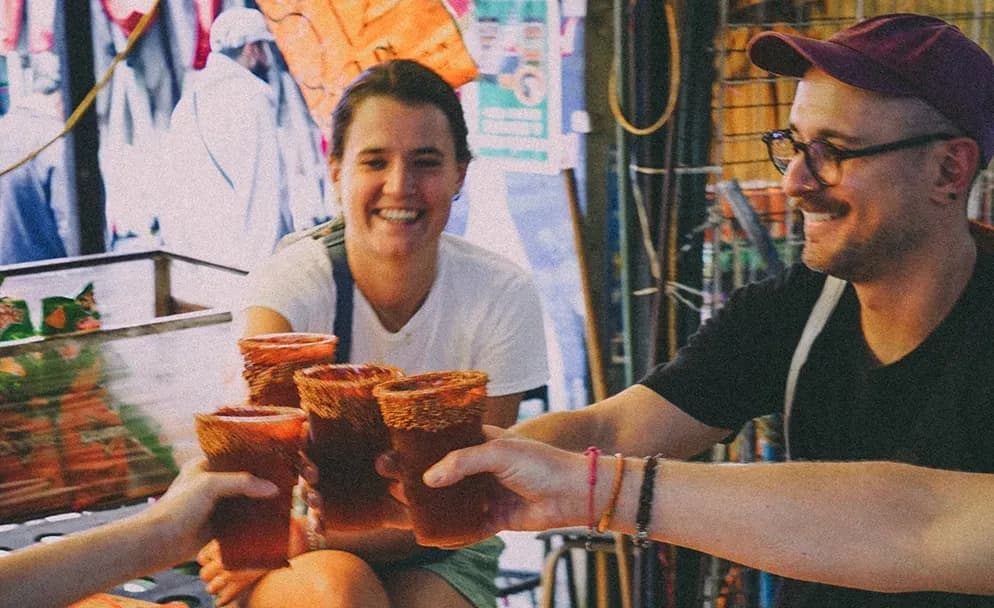
Both. In Quito's cool evenings, most people drink it warm. On a sunny afternoon, cold works just as well. Some families make a big pot and drink it both ways over several days, because colada, like a good stew, often tastes better the next day.
Bondabu tip: a good colada morada is smooth, thick and deep purple, and it should coat the spoon. If it looks like juice, it's too thin. Ask if it's made with real mortiño: you'll taste the difference.
Guaguas de pan: the bread of the season
What are guaguas de pan?
Guaguas de pan are sweet breads shaped like little swaddled babies. The word "guagua" means child in Kichwa, the Indigenous language of the Andes. Each one is decorated with icing in bright colors: a face, a blanket, sometimes a tiny hat. Classic guaguas are made with a soft, slightly sweet dough.
What's inside?
Many come filled, usually with fruit jam, chocolate or manjar de leche, Ecuador's version of dulce de leche. Some bakeries also play with modern fillings.
How to eat them
Tear off a piece and dip it in colada morada. That's the whole ritual. Friends and families trade guaguas during the season, and kids usually get one with their name written on it.
Ecuador vs. Mexico: two ways to remember
Ecuador and Mexico both celebrate their dead in early November, and both do it with food. But the tables look very different. Mexico builds altars at home with pan de muerto, marigolds and the favorite dishes of the departed. Ecuador shares colada morada and guaguas de pan with family, and often at the cemetery itself. If you want the Mexican side of the story, read our guide to Day of the Dead food in Mexico City.
Where to try colada morada and guaguas de pan in Quito
- Neighborhood bakeries: from mid-October, almost every bakery in the city sells guaguas, and many sell colada by the glass or by the liter. The small family bakeries usually beat the chains.
- The Historic Center: traditional cafés and bakeries in the old town serve colada and guaguas in a setting that hasn't changed in decades.
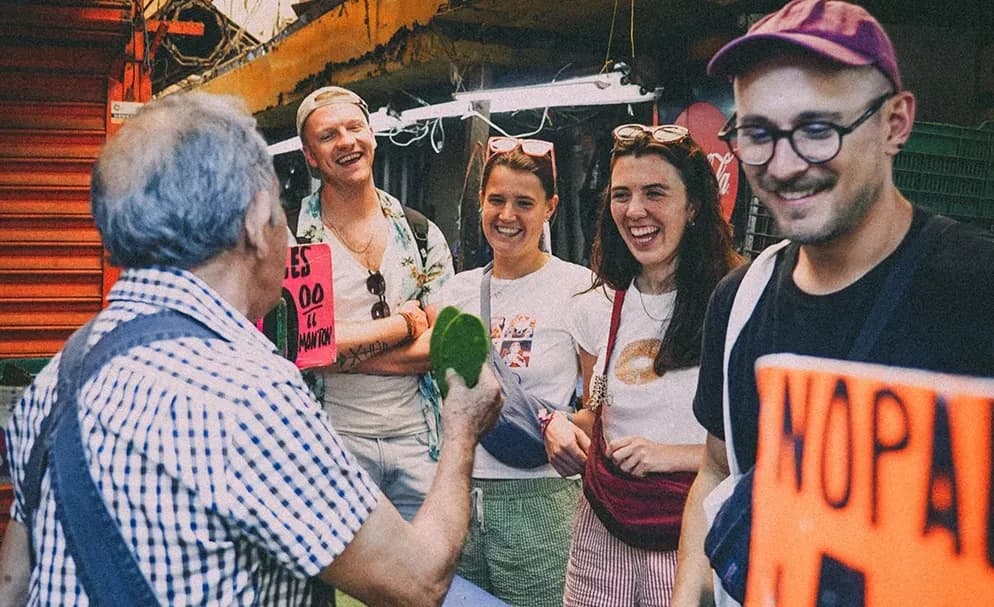
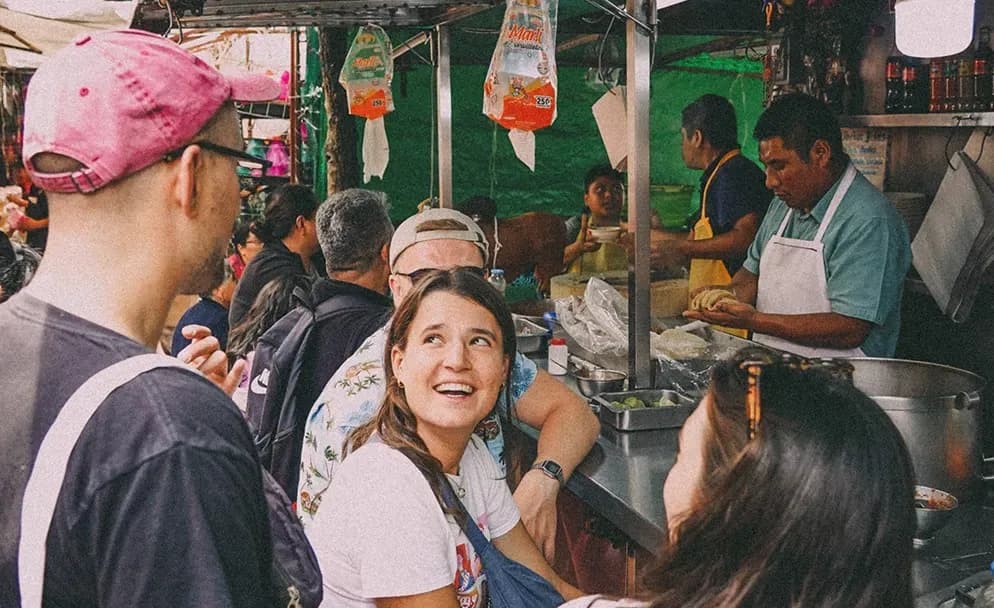
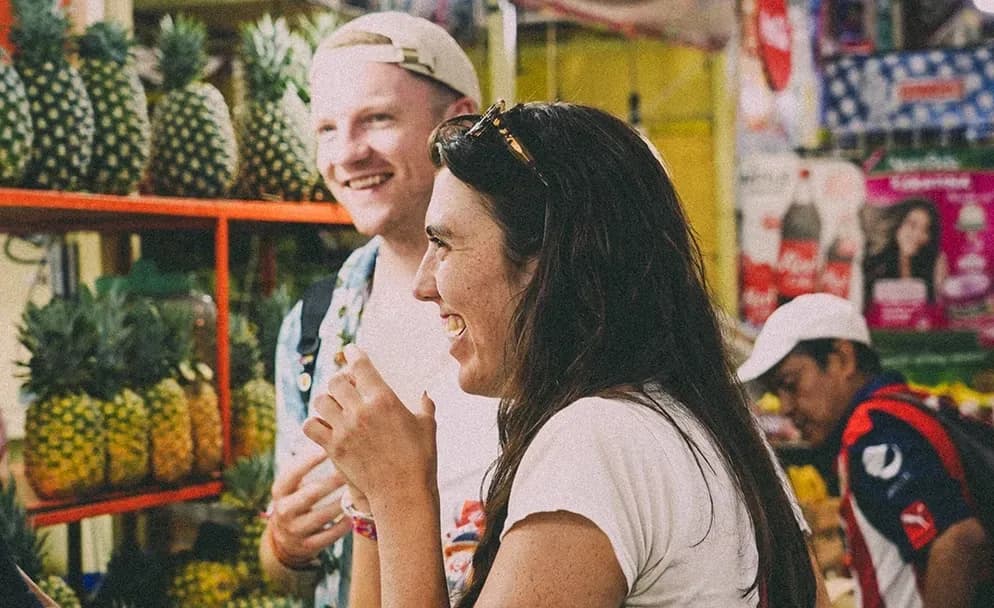
- Markets: Quito's markets are where you'll find the ingredients, the stands and the local crowd.
- Around cemeteries on November 2: stands selling colada and guaguas appear outside the main cemeteries as families arrive to visit their loved ones.
For a wider look at what to eat in the city, read our guide to Ecuadorian food in Quito.
Taste Quito with a local
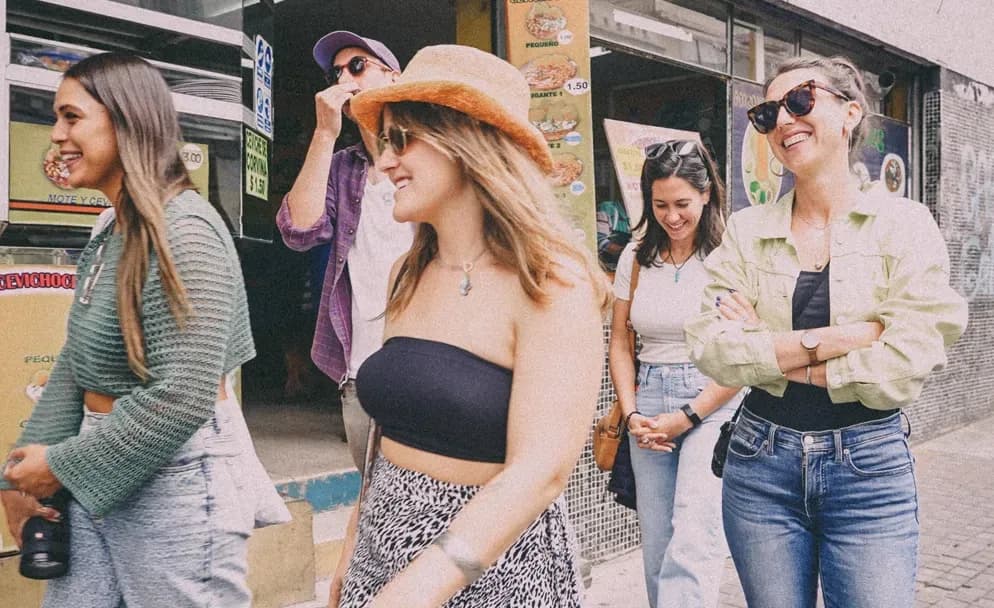
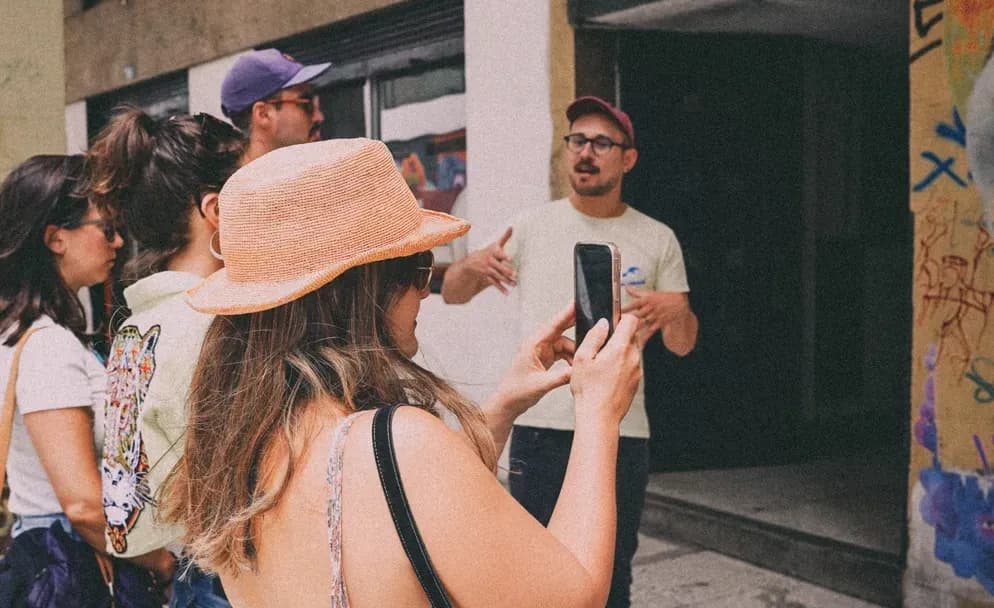
Colada morada is a seasonal treat, but Quito's food traditions run all year long. Our Quito food tour takes you through the markets, bakeries and street stands where locals actually eat, in a small group with a local guide. In late October and early November, that includes a glass of colada.
About the author
Ernesto is a chef based in Quito and the founder of Bondabu, where he designs food and culture experiences in Quito and Mexico City.
Frequently asked questions
What is colada morada made of?
Purple corn flour, Andean fruits like mortiño, blackberries, pineapple and babaco, aromatic herbs, spices like cloves and allspice, and panela or sugar.
When is colada morada served in Ecuador?
Mainly in the weeks around Día de los Difuntos, Ecuador's Day of the Dead, on November 2. Bakeries start selling it in mid-October.
Is colada morada served hot or cold?
Both. Most people in Quito drink it warm, but it's also delicious cold.
What does guagua mean?
"Guagua" means child in Kichwa, the Indigenous language of the Andes. Guaguas de pan are sweet breads shaped like swaddled babies.
How is Ecuador's Day of the Dead different from Mexico's?
Both honor the dead with food in early November. Mexico is known for altars, pan de muerto and marigolds. Ecuador is known for colada morada and guaguas de pan, often shared with family at the cemetery.